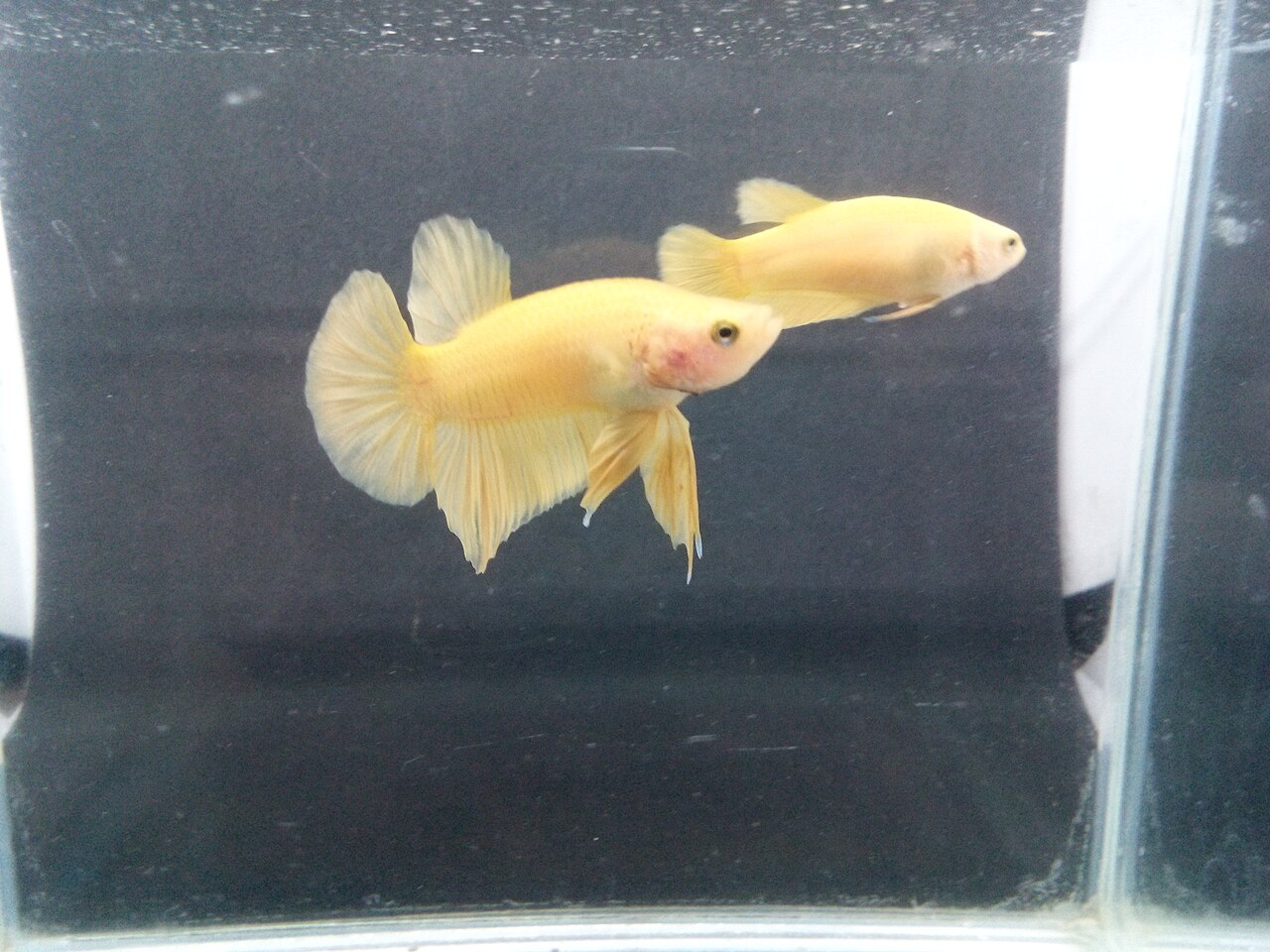
Conditioning is the 14 days where your fish go from healthy-but-dormant to fully reproductive. The protocol is simple: separate the pair, put them in sight of each other, feed heavily on protein, keep water perfect. Skip conditioning and you get weak spawns, low fertility, or an attacked female. Do it right and the spawn itself becomes almost automatic (IBC Exhibition Standards and breeding).
Why 14 days
The female’s egg development cycle takes about 10 days from the hormonal trigger (sight of a displaying male) to ovulation readiness. Feeding heavily during this window increases egg count and yolk quality. Males improve sperm quality with high-protein diet and visible rivalry. Both fish’s stress baselines drop with stable, enriched conditions.
Shorter conditioning (3 to 5 days) often produces spawns but with lower egg counts and higher fry deformity rates. Longer conditioning (18+ days) produces diminishing returns and risks the female becoming egg-bound.
Setup options
Option A: Two adjacent tanks
Two 2 to 5-gallon tanks side by side, with clear glass between or close enough to see across. Heated to 27 °C, sponge-filtered, cycled.
- Pro: isolates each fish’s bioload.
- Con: two tanks to maintain.
Option B: Divided single tank
One 10-gallon tank with a clear plastic or mesh divider down the middle. Male on one side, female on the other.
- Pro: one tank to maintain, better thermal stability.
- Con: water quality impacts both fish simultaneously.
Most hobbyist breeders use Option B for convenience.
The feeding schedule
Two or three meals per day, amounts the fish clears in under 60 seconds:
| Day of week | Meal 1 | Meal 2 | Meal 3 (optional) |
|---|---|---|---|
| Mon | Frozen bloodworms | Pellets | Live brine shrimp |
| Tue | Live daphnia | Frozen brine shrimp | none |
| Wed | Frozen bloodworms | Pellets | Live mosquito larvae (seasonal) |
| Thu | Live blackworms | Frozen brine shrimp | none |
| Fri | Frozen bloodworms | Pellets | none |
| Sat | Live brine shrimp | Frozen bloodworms | Pellets |
| Sun | Live daphnia | Pellets | none |
Vary sources. A single food type produces nutritional imbalance. Live food where possible; frozen backs it up.
Unlike standard weekly fast days, breeding conditioning skips fasting. Both fish are in nutrient-demand mode.
Water quality during conditioning
Every-other-day water changes. 25 to 30% of tank volume. Temperature-matched within 1 °C. Dechlorinator. Parameters read: ammonia 0, nitrite 0, nitrate under 10 ppm, pH stable, temperature 26 to 28 °C.
Heavy feeding produces heavy waste. Skipping water changes turns the conditioning tank into an ammonia sink in 5 to 7 days. Daily partial water changes are fine if you can manage them.
Reading the signals
Male ready signs:
- Builds bubble nest repeatedly (even against the divider).
- Full intense color.
- Flares vigorously when he sees the female.
- Claims a corner as “nest territory.”
- Full, intact fins, no clamping.
Female ready signs:
- Belly visibly rounded with eggs.
- Shows horizontal breeding bars: light vertical stripes against the body color, visible when she sees the male. Unique to receptive females.
- Orients toward the divider rather than hiding.
- Approaches when the male displays.
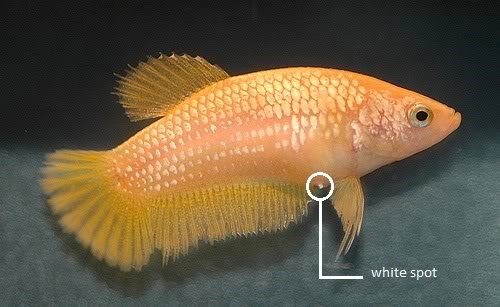
- Ovipositor (white tube between ventrals) visible.
When both sets of signs are present, proceed to spawning.
Not-ready signs (wait longer or abort):
- Fish hiding constantly.
- No color response at the divider.
- Female ovipositor not visible, belly still flat.
- Male not building any nests.
- Either fish showing stress bars (horizontal dark stripes) or clamping.
The live food logistics
If you don’t already have live food cultures, set them up during conditioning:
Brine shrimp hatchery. Cheap. 2-liter bottle inverted, air stone, salt water, brine shrimp eggs. 24 hours from egg to hatch. $15 in total gear, $10 annual refill of eggs.
Daphnia culture. A 2-gallon bucket of green (algae-rich) water with daphnia starter. Free-ish once established.
Blackworm culture. $10 starter, a shallow container in the fridge, feed light. Harvestable for months.
Microworms. Oatmeal culture in deli containers. Feed fry directly; they culture easily and hold for weeks.
These cultures also feed fry in a few weeks, so start them now.
Breaking conditioning
Not every pair works. If after 14 days of proper conditioning:
- Male doesn’t build nests: wait another 3-5 days. If still nothing, try a different male.
- Female shows no eggs: wait another 3-5 days. If still flat, try a different female.
- One fish looks stressed or sick: abort, separate, treat, and restart with healthy fish.
- Both fish seem uninterested in each other: they may simply be incompatible. Swap out one fish.
Don’t force a spawn. Forcing it in a poorly conditioned pair produces weak spawns or injured fish.
Hygiene between conditioning and spawning
Net each fish separately to the spawning tank. Don’t use the same net without drying. Don’t share filter media. If one fish showed any disease sign late in conditioning, quarantine both for another 2 weeks and test parameters in the original tanks.
The spawning tank is a new stage. See spawning setup for the protocol.
If you’ve done conditioning right, you have two fish in peak reproductive condition, primed by 14 days of sight contact and heavy feeding. That’s the foundation. Everything after this is easier.
Related on this site
- How to Breed Betta Fish: A Breeder’s Complete Guide
- Betta Feeding: What to Feed, How Often, How Much
- Culling in Betta Breeding: The Ethical Framework
- Betta Breeding FAQ: The 20 Questions New Breeders Ask
- Betta Fry Care: The First 30 Days
Frequently asked
- Why condition for 14 days?
- Egg development in the female takes about 10 days from ovulation trigger. Male sperm quality improves with high-protein feeding. The sight of the opposite sex triggers hormonal readiness in both. Shorter conditioning often produces weak spawns or eggs that don't fertilize.
- Can I condition in the same tank with a divider?
- Yes. Standard practice. A 10-gallon tank with a clear plastic divider and both fish on either side works well. Easier to maintain parameters than two separate tanks.
- What if one fish gets sick during conditioning?
- Abort and treat. Do not proceed with a sick fish; spawning stresses a fish severely and a compromised fish will not survive. Treat, wait for full recovery plus 2 weeks, then try again.
- Do I need live food?
- Not strictly. Frozen bloodworms and frozen brine shrimp work. Live is slightly better because the foraging stimulates the fish. Live blackworms are the gold standard if you can source them.
- How do I know when they're ready?
- Male builds bubble nests consistently. Female shows horizontal breeding bars (pale vertical stripes) when she sees the male. Both fish orient aggressively to the divider. Female's belly is rounded. No visible signs of stress or illness.