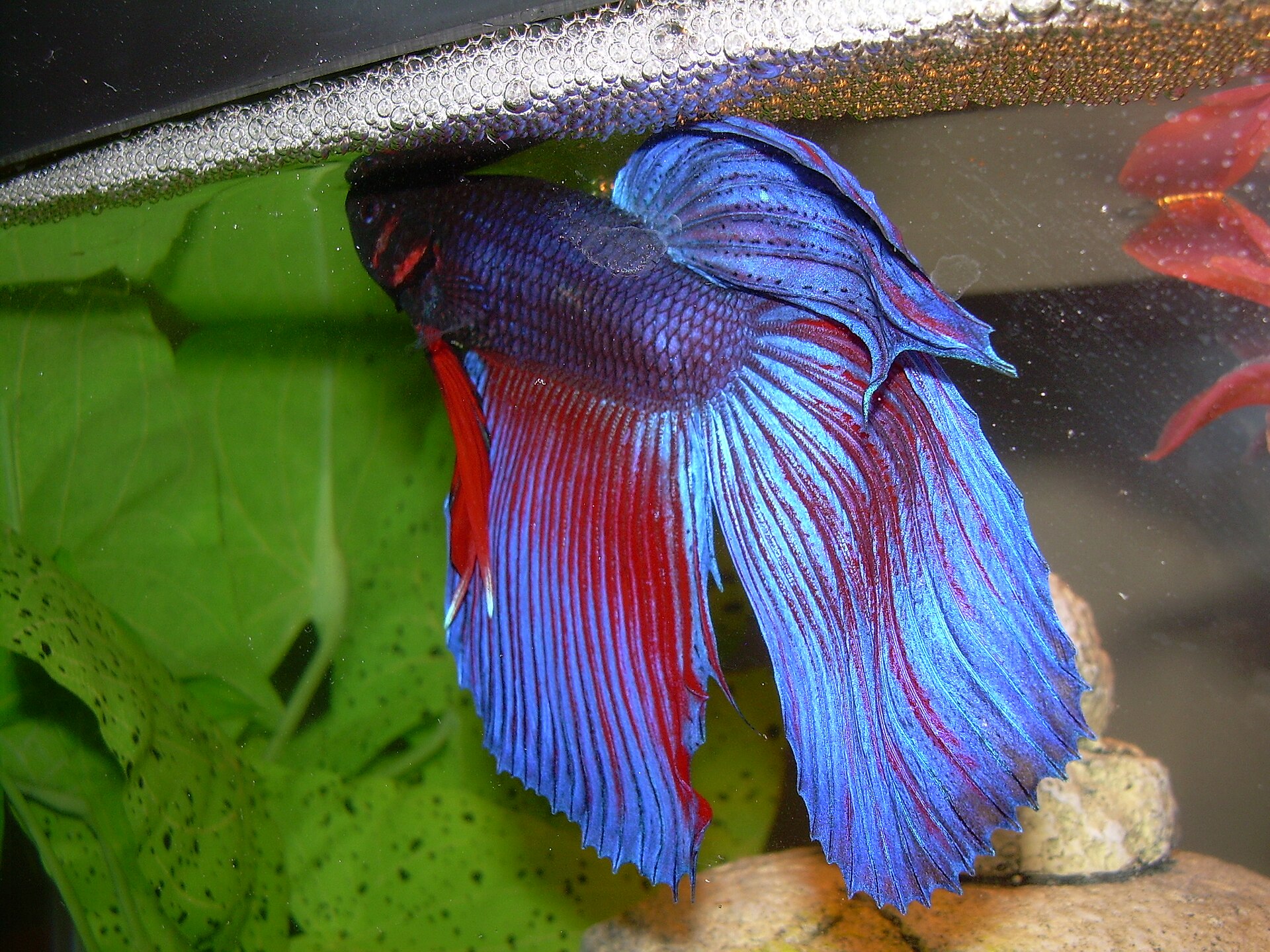
A serious home betta breeding setup runs about $400 for gear, with ongoing food costs of $20 to $40 per month. You can scale down to $200 total with 20 jars or up into the thousands for a full fishroom. Below is the parts list with reasoning (IBC breeding resources).
The spawning tank
- 10-gallon long aquarium: $25.
- 25W preset heater: $20.
- Sponge filter + air pump + tubing: $25.
- Styrofoam, plants, cover: $20.
Subtotal: $90.
Used gear from Facebook marketplace cuts this to $40.
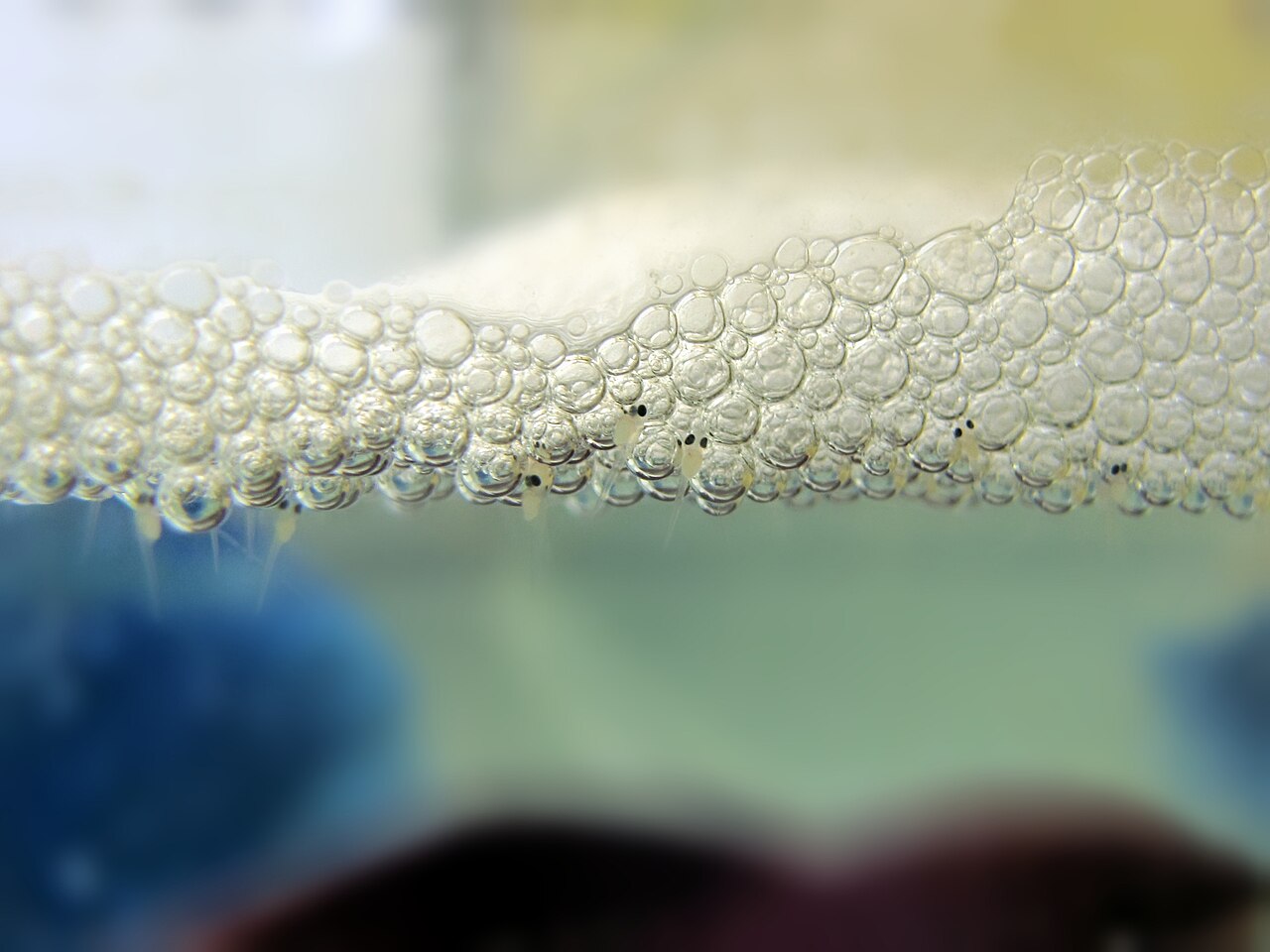
The jarring rack
The single biggest gear investment and the thing most beginners underestimate.
The bins. 64-oz plastic shoebox bins (Sterilite 1963 or similar), about $2 each. Each holds one juvenile male. Stack-friendly, rinse-friendly, see-through enough to observe.
The quantity. A spawn produces 100 to 300 fry. Half are male. After culling and rehoming, expect 20 to 50 males needing jars. 30 bins is a reasonable starting quantity.
30 bins × $2 = $60.
The rack. A wooden or wire shelving unit that holds bins at comfortable viewing height. A three-shelf unit from Home Depot runs $40. Measure first; shoebox bins are 6 × 15 × 4 inches, fit 3 per shelf width.
Individual sponge filters (optional but recommended). $3 each × 30 = $90. Alternative: daily partial water changes in each bin by hand. Brutal labor at scale.
Shared air pump with gang valve. $25 for pump, $10 for a 30-outlet gang valve.
Airline tubing. $15 for 100 feet.
Subtotal: $240 for a 30-jar setup with shared air.
Live food cultures
Brine shrimp hatchery. 2-liter bottle inverted in a wooden stand, air pump, air stone, marine salt, BBS eggs. Total: $30. Hatches daily for $0.20 per batch.
Microworm culture. 4 deli containers, oatmeal, yeast, starter culture ($10). Cultures rotate; you keep 2 at a time producing while 2 are resting.
Vinegar eel culture. $10 starter + 1 gallon jug apple cider vinegar. Self-sustaining for months.
Daphnia culture. 5-gallon bucket, algae water, starter culture ($15). Provides occasional treat.
Subtotal: $65.
Food supplies
Pellets. New Life Spectrum Betta or similar, $25 for a tub that lasts a year for 30 jars.
Frozen foods. Bloodworms, brine shrimp, daphnia cubes. $15 monthly for 30 jars.
Indian almond leaves. Dollar store in some areas. $10 for 50 leaves (year supply).
Monthly running cost: $20 to $40.
Water management
Dechlorinator. Seachem Prime 500 ml, $25. Lasts 2+ years at breeding scale.
Test kit. API Freshwater Master Kit, $30. Replace reagents every 2 years.
Water change tools. Python siphon or manual buckets and tubing, $30.
Subtotal: $85.
Heaters
Spawn tank heater. $20 (above).
Jarring rack. Options:
- Ambient room at 25-27 °C: no individual heaters needed. Simplest.
- Cool room: a single 100W aquarium heater in a sump beneath the rack, water heated centrally, each bin heated through shared sump: $50.
- Very cold room: individual small heaters in each bin: $600 for 30 bins. Impractical.
Most breeders target ambient room temperature instead. Use a space heater for the room if needed ($30).
Total cost for a 30-jar setup
- Spawning tank: $90
- Jarring rack: $240
- Live food cultures: $65
- Food supplies (3 months): $75
- Water management: $85
- Heating (ambient approach, space heater if needed): $30
Total: about $585. Monthly ongoing: $20-40.
Scale down to 20 jars and skip individual sponge filters, the total drops to ~$350. Scale up to 60 jars and pro-level, it reaches $1,000+.
What to skip
- LED lighting for jars. Bettas color up fine under ambient room light. Fancy LED strips waste money.
- Automatic feeders. Fry need live food 4-5 times daily. Pellets in auto-feeders rot.
- Fancy branded jars. Pickle jars and shoeboxes work.
- Dechlorinator other than Prime. API conditioner is fine but Prime is marginally better and lasts longer.
- Imported Thai “betta accelerator” products. Marketing.
The upgrade path
Starting hobbyist: 1 spawn tank, 20 jars, 1 air pump, 1 BBS hatchery. ~$200.
Serious hobbyist: 2 spawn tanks (2 projects in parallel), 40 jars, 2 air pumps, 2 BBS hatcheries, multiple live food cultures, dedicated breeding shelf. ~$600.
Small-scale commercial: 5 spawn tanks, 100 jars, sump-filtered rack, multiple live food lines, vacuum sealer for eggs, backup equipment. ~$2,500.
Most readers of this page should start at the hobbyist level and expand only if the project produces good results.
The investment math
A 30-jar setup producing one successful spawn per quarter yields about 60 juveniles per year at 30% retention. At $20 average sale (mix of pets and show quality), that’s $1,200 gross. Minus food and shipping, net of $600 to $800.
Breeding doesn’t pay for itself financially in most cases. Break-even takes 2 years on the original gear cost. Treat it as a hobby that modestly offsets its own expenses, not a side business.
Space and logistics
A serious 30-jar setup occupies:
- Spawn tank on a stable shelf, 30 × 12 inches footprint, 12 inches tall.
- Jarring rack, 3 × 3 feet footprint, 5 feet tall.
- Live food cultures, 2 × 2 feet counter space.
- Water storage (5-gallon bucket with air stone pre-treating water) 1 × 1 foot.
About 30 square feet total. Fits in a closet or a spare room corner.
The hidden cost: time
- Fry care through first 30 days: 1 hour daily (feeding, water changes, sorting).
- Jar maintenance at 30+ jars: 2 hours every other day.
- BBS hatchery: 10 minutes daily.
- Culture maintenance: 20 minutes weekly.
Expect 30 to 45 minutes daily for the 4 months of active project. Skip a day and water quality slips; skip two and fry die.
The return investment
The payoff is:
- Fish you bred from pairs you selected.
- Lines you improve over generations.
- Skills that compound (fry survival rates improve from 30% to 60%+ with practice).
- A network in the IBC and breeder community.
- The occasional show win.
- The pleasure of selecting the next pair and starting again.
Financial return: modest. Hobbyist return: substantial.
For the minimum viable project, skip the jarring rack entirely: spawn tank, 10 small containers for juvenile males by week 8, and a plan to rehome or downscale. Under $200. Good enough for a learning spawn. Scale up only if the hobby takes.
Related on this site
- How to Breed Betta Fish: A Breeder’s Complete Guide
- Best Betta Heaters in 2026: Preset vs Adjustable
- Betta Breeding Conditioning: The 14-Day Protocol
- Culling in Betta Breeding: The Ethical Framework
- Betta Breeding FAQ: The 20 Questions New Breeders Ask
Frequently asked
- Do I need a dedicated fishroom?
- No. A dedicated shelf or closet works. 10 to 30 jars fit in 4 linear feet with the right rack. Temperature control is easier in a closet than a room.
- Can I reuse pet-store jars?
- Yes. 64-oz pickle jars, spaghetti sauce jars, or 1-gallon drink dispensers work. Plastic shoebox bins are better because they stack and fit standard racks.
- Do I need individual heaters for each jar?
- In a temperature-controlled room, no. The ambient room temperature does the work. In a cool basement, yes or use a heated rack with a shared heating element.
- What's the cheapest viable setup?
- About 200 dollars: 10-gallon spawning tank, 20 plastic shoebox bins, one air pump with gang valve, sponge filters, heater for the spawn tank, brine shrimp hatchery, starter cultures. Add a modest fry food budget.