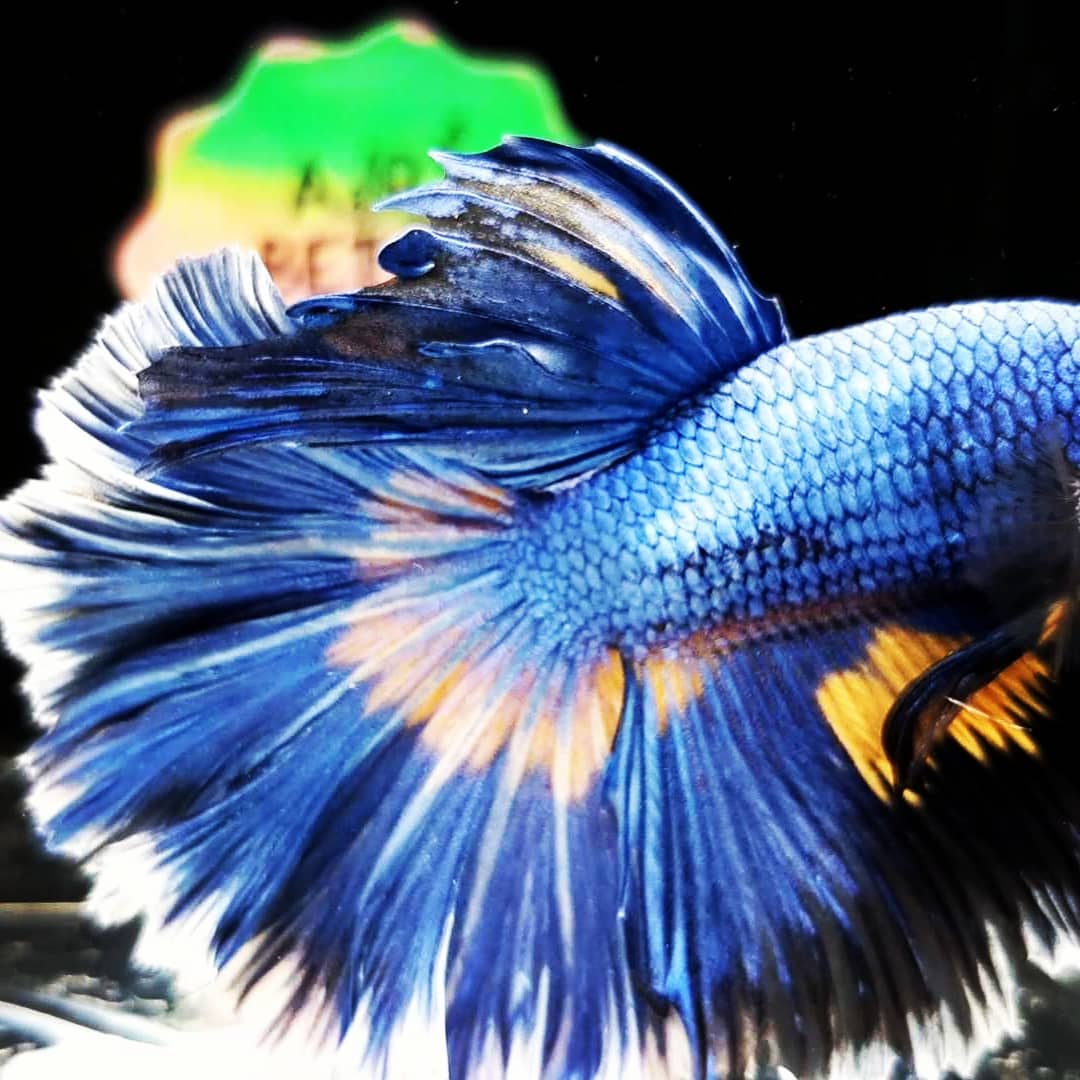
Constipation is the most common non-disease health issue in betta keeping. It is caused by overfeeding and is almost always resolved by fasting. The reason it appears repeatedly on betta forums as a crisis is that a bloated betta looks alarming and the natural instinct is to do something. The correct response is to do nothing — specifically, to stop feeding.
What causes it
Bettas are fed too much. The hobby guideline “feed only what the fish can eat in 2–3 minutes” is widely repeated and consistently overfeeds bettas.
Dried pellets expand after they are ingested as they absorb water in the digestive tract. A betta that has eaten 6–8 pellets has potentially doubled the food mass in its gut. Repeat that daily, skip the fast day, and constipation is the predictable result.
Additional contributing factors:
- Feeding only one type of food (no fiber, no live/frozen variety)
- Skipping the weekly fast day that most experienced keepers include
- Cold water (slows gut motility)
- Feeding before turning the lights on, when the fish’s digestive activity is lowest
How to confirm it is constipation
Check three things:
Belly shape: Rounded and swollen symmetrically from below, or swollen primarily at the front of the abdomen? Constipation produces a generalized roundness.
Scale profile: Look from above. Scales should lie flat. If the scales are raised and flared outward — the fish resembles a pinecone when viewed from above — that is dropsy, which is an entirely different and far more serious condition. Constipation does not cause scale-raising.
Activity level: A constipated betta is usually still active, still responsive, still at the surface. A fish that is lethargic, hiding, and unresponsive in addition to being bloated has something more than constipation.
Treatment protocol
Step 1: Stop feeding immediately. 2–3 days.
Do not offer any food. Zero. This is not cruel — bettas can fast 10–14 days without harm as adults. Two to three days of fasting allows the digestive tract to work through the existing backlog.
Do not be tempted to offer “just a little” — any additional food input before the current backlog clears makes things worse.
Step 2: Offer daphnia.
After the fast period, offer a small amount of daphnia — live or frozen, thawed before feeding. Daphnia is high in chitin, which is largely indigestible and acts as dietary fiber for fish. It promotes gut motility and passage of the impacted material.
One small portion (3–5 daphnia) is enough. Watch for feces passing in the next 24 hours — normal brown feces indicate the gut is moving again.
Step 3: Adjust the feeding routine.
Once the fish is passing normal feces and eating again:
- Reduce pellet quantity: 2–3 pellets per feeding is appropriate for most adult bettas
- Include a fast day (no food) once per week
- Add live or frozen food 2–3 times per week to provide dietary variety and reduce the reliance on expanding dry food
- Soak pellets in tank water for 30 seconds before feeding — they expand in the water rather than in the gut
See betta feeding for the complete dietary protocol.
When fasting does not work
If the bloating persists after 5 days of fasting with no improvement, or if additional symptoms develop (lethargy, faded color, scale-raising), the condition is not simple constipation. Check for:
- Swim bladder disorder — floating or sinking abnormally alongside bloating: see swim bladder disease
- Dropsy — scale-raising, the pinecone profile: see dropsy
- Internal parasites — rare in captive-bred bettas from reputable sources, but possible in wild-caught or suspect imports. Metronidazole (API General Cure) is the treatment if internal parasites are suspected.
The pea question
Green peas, shelled and blanched, have been recommended in the hobby for decades as a laxative treatment for constipated fish. The mechanism is valid — fiber stimulates gut movement. Daphnia is better for bettas because:
- Bettas are insectivores. Daphnia is species-appropriate prey. A pea is not.
- The portion control is easier — one or two daphnia, not guessing how much of a pea.
- Daphnia-based dietary recovery pairs with restoring a protein-based diet, which peas do not.
Use daphnia. If daphnia is unavailable and the situation is acute, a tiny amount of blanched, shelled pea is better than extended fasting.
Related on this site
- Betta Feeding: What to Feed, How Often, How Much
- Swim Bladder Disease
- Dropsy: Bloat, Pineconing, and a Terminal Prognosis
- Betta Not Eating: Diagnostic Guide
Frequently asked
- How do I know if my betta is constipated?
- Signs: swollen or rounded abdomen, not eating, possible lethargy, and in some cases a small string of white or colorless feces visible. The scales should lie flat against the body — if they are raised and pointing outward (pineconing), that is dropsy, which is different and more serious.
- What do I feed a constipated betta?
- After a 2–3 day fast, offer daphnia — live or frozen. Daphnia is a natural laxative for fish, largely indigestible fiber that promotes gut movement. One small portion is usually enough. If daphnia is not available, frozen bloodworm is a better alternative to dry food. Do not offer dry pellets until normal bowel function is restored.
- Is the pea treatment real?
- The green pea treatment (feeding a shelled, blanched pea) has circulated in the hobby for years. The mechanism is similar to daphnia — fiber stimulating gut movement. It has some practical basis but daphnia is better for bettas because it is species-appropriate food. Bettas are insectivores, not herbivores. A small portion of either will work; daphnia is the preferable choice.
- How long should I fast my constipated betta?
- 2–3 days without food, then offer daphnia. A 24-hour fast is often enough for mild cases. Fasting beyond 5 days in an otherwise healthy adult is unnecessary and the fish may begin losing condition. Do not fast juveniles or breeding fish for more than 24 hours.
- What is the difference between constipation and dropsy?
- Constipation: rounded, swollen belly, scales lying flat. Usually resolves with fasting. Dropsy: swollen belly plus raised scales (pineconing visible when viewed from above — the fish resembles a pinecone), often combined with lethargy and other systemic signs. Dropsy indicates internal organ failure and has a very poor prognosis. See the dropsy article for the full differential.