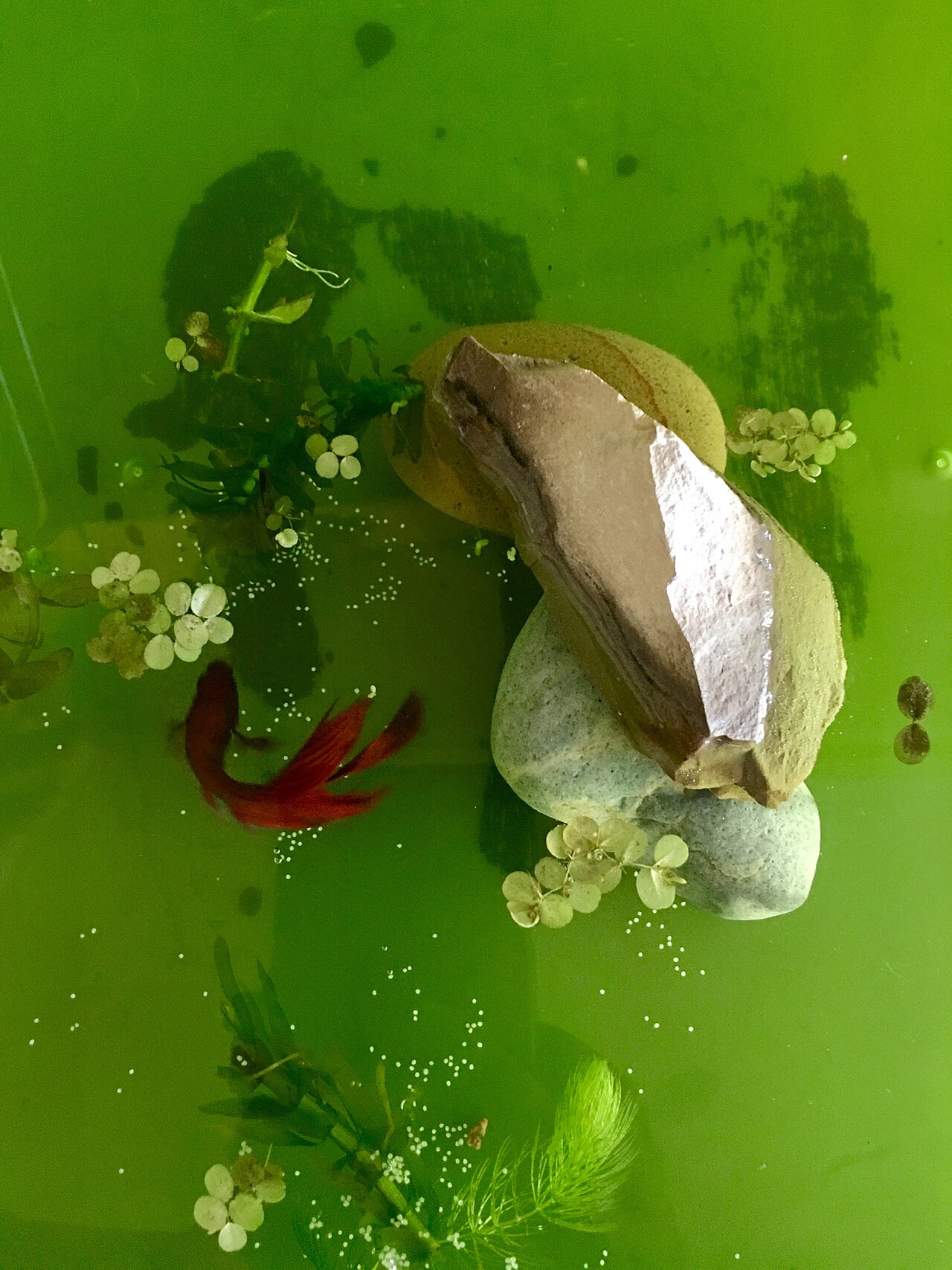
Most sick bettas can be treated. Some cannot. Knowing which is which is the harder skill than knowing how to dose an antibiotic. This page is about the decision, not the procedure; the step-by-step clove oil protocol lives at humane euthanasia with exact dosages and timing (AVMA Guidelines for the Euthanasia).
The four-criterion rule
When three or more of these are present, humane euthanasia is the right answer:
- Cannot swim upright. The fish is on its side or spiraling, unable to maintain vertical orientation.
- Cannot eat. No food accepted for 5+ days.
- No response to treatment. 72 hours of appropriate medication (not guesswork) with no improvement. Getting worse counts as “no improvement.”
- Visible suffering. Gasping at the surface, darting in distress, sitting in distress positions, inability to reach air.
One or two criteria: continue treatment, reassess in 24 hours. Three or four: proceed to the protocol.
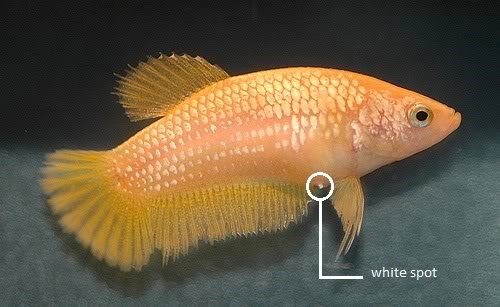
Terminal conditions where treatment isn’t the answer
Advanced dropsy with full pineconing. Survival under 5%. Days of visible suffering. Euthanize.
Advanced mycobacteriosis with severe wasting and deformity. Chronic, untreatable, progressive. See mycobacteriosis.
Irreversible spinal deformity causing inability to swim. Genetic or injury-based, cannot reach the surface to breathe.
Extreme age decline (4+ year old fish) with multi-system failure. Fish is at end-of-life; no single condition is primary.
Severe ammonia burn with collapsed gills. Fish gasps at the surface unable to respire. 48-hour clean water trial first; if no recovery, euthanize.
Borderline cases
These are the hard ones where the decision isn’t obvious:
A 3-year-old fish that stopped eating. Test water first. Offer a single bloodworm. If still refused in 24 hours, investigate further. Could be seasonal, could be early illness.
Chronic fin rot that won’t clear. Usually a water quality issue that keeps re-triggering. Fix the environment before euthanizing.
Fish with a visible tumor but still behaving normally. Benign-looking tumors in older fish can be left alone if they don’t impair eating or swimming. Euthanize when quality of life drops.
Fish with dropsy bloat but no pineconing. Stage 1 dropsy. Try the Dropsy protocol. If no improvement in 72 hours, euthanize.
The protocol in brief
Full version at humane euthanasia. Summary:
- 1 liter tank water in a clean container.
- 2 drops (0.1 ml) pure clove oil, emulsified in 5 ml warm water, added to the container.
- Place fish in. Wait 10-15 minutes until unresponsive.
- Add 8 drops (0.4 ml) more clove oil, emulsified as before.
- Wait 30 minutes after gill movement stops.
- Bury or freeze-and-bury. Never flush.
Total time: about 60 minutes. Cost: $8 for a bottle of clove oil that lasts many years.
What not to do
- Never flush a live fish. Alive through the plumbing. Cruel.
- Never freeze a conscious fish. Painful ice crystal formation in tissue before unconsciousness.
- Never boil, microwave, or use alcohol. All cruel.
- Don’t decapitate unless trained. A clean sharp cut is humane; a hesitant cut is worse than any other option.
- Don’t use aquarium salt at high concentration. Salt bath is not a euthanasia method; it’s stressful suffocation.
The emotional part
This is a small fish that you cared for, and grief out of proportion to the fish’s size is normal and fine. You can mark the end however feels right: a note in a journal, a specific burial place, a moment to sit with the empty tank before the next water change. None of this is performative; fishkeeping is a long-game hobby and the animals accumulate meaning over years.
The fish you euthanize today is the fish whose suffering you ended. That’s the correct frame. The alternative (letting the fish die slowly over days of clear distress) is worse for everyone involved.
Set up the next tank, or the next fish. The hobby continues.
Related on this site
- Betta Disease: Diagnosis and Treatment, Evidence-Based
- Humane Betta Euthanasia: Clove Oil Method, With Dosage Math
- Betta Columnaris: Fast-Moving Bacterial Disease with a 5-Day Window
- Betta Dropsy: Bloat, Pineconing, and a Terminal Prognosis
- Betta Fin Rot: Bacterial Cause, Medication Protocol, Prevention
Frequently asked
- How do I know it's time?
- Four criteria: cannot swim upright, cannot eat, no improvement after 72 hours of correct treatment, and visible suffering (gasping, struggling). When three of four are present, euthanasia is the right call.
- Do I need a vet?
- Not for the clove oil protocol. It's safe and effective at home. A vet can confirm terminal prognosis if you're uncertain, but the practical fish euthanasia protocol is within any keeper's ability.
- What about freezing?
- Never freeze a live conscious fish. Fish detect ice crystal formation in gill tissue before cognitive shutdown. Sedate with clove oil first, then freeze the unconscious body if needed for disposal. AVMA guidelines condemn live freezing.
- Can I just wait for it to pass on its own?
- You can. You usually shouldn't. A fish dying of dropsy, advanced mycobacteriosis, or terminal swim-bladder failure suffers for days to weeks. An hour with clove oil ends the suffering humanely.