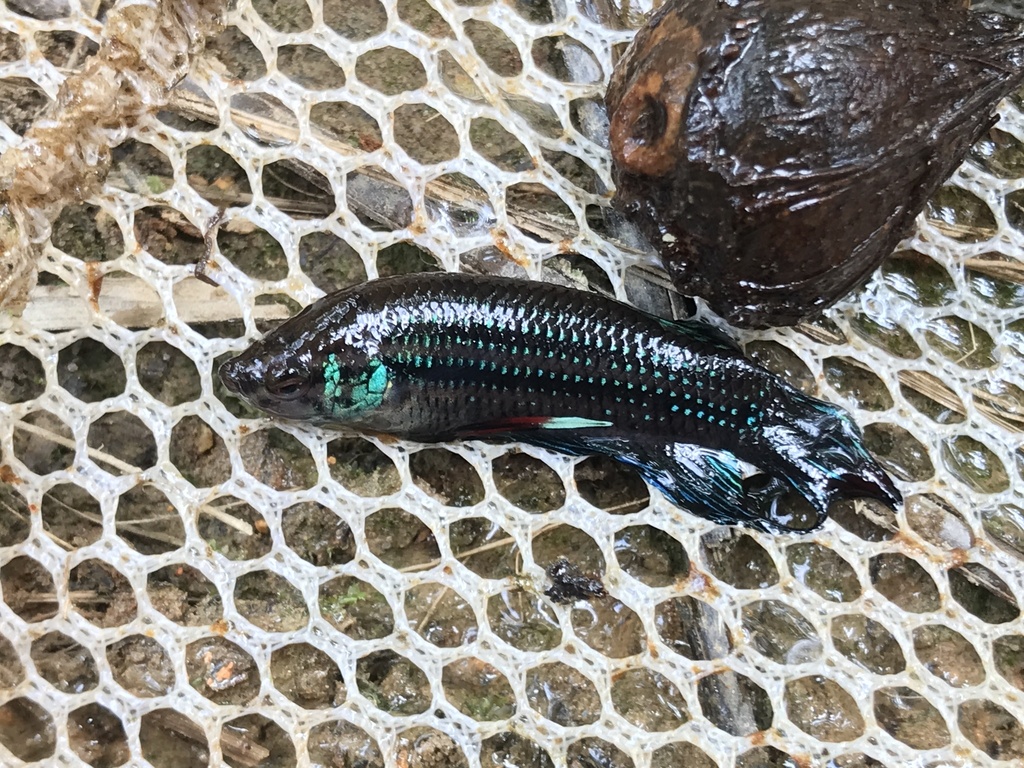
Betta hendra is a small blackwater betta from Central Kalimantan (Indonesian Borneo). Listed as Critically Endangered (CR) on the IUCN Red List due to peat swamp destruction. The first successful captive breeding was reported in 2026 in Aquatic Conservation: Marine and Freshwater Ecosystems (Wiley). The paper marks a small conservation milestone for a species whose wild population may not persist.
Status
- IUCN: Critically Endangered.
- Population trend: declining.
- Primary threat: habitat loss from palm oil plantation expansion.
- Range: narrow endemic to Central Kalimantan peat swamps.
- Wild population estimate: unknown, likely very small.
The 2026 captive breeding report
The Wiley paper documented:
- Adult pairs collected from the last confirmed wild population.
- Captive conditions replicating wild blackwater habitat.
- Detailed spawning and fry-rearing protocols.
- Genetic analysis of the captive founder population.
- Plans for distribution to responsible breeding partners.
The breeding success rate and fry-to-adult survival rate were documented. Genetic bottleneck concerns were noted; the founder population is small.
This is a significant paper because it establishes the first known insurance population for a species at imminent risk of wild extinction.
Species characteristics
Appearance:
- Small, 3 to 4 cm adult.
- Wine-red to deep red body coloration.
- Belongs to the coccina species complex.
- Similar to B. coccina but from a different range.
Habitat in the wild:
- Peat swamp blackwater streams.
- pH 3.5 to 5.0 (extremely acidic).
- dGH under 2.
- Temperature 24 to 27 °C.
- Tannin-stained dark water.
- Usually small pools and slow-flowing forest streams.
Keeping requirements (where captive stock exists)
This is not a hobbyist species at the time of writing. Most captive stock is in conservation-oriented breeding facilities and responsible partner networks. For the rare hobbyist who does acquire hendra:
- 10 gallons per pair minimum.
- RO water acidified with peat and indian almond leaves to pH 4.5.
- Temperature 25 °C.
- Heavy blackwater setup.
- Live food only initially.
The broader context: palm oil and peat swamp loss
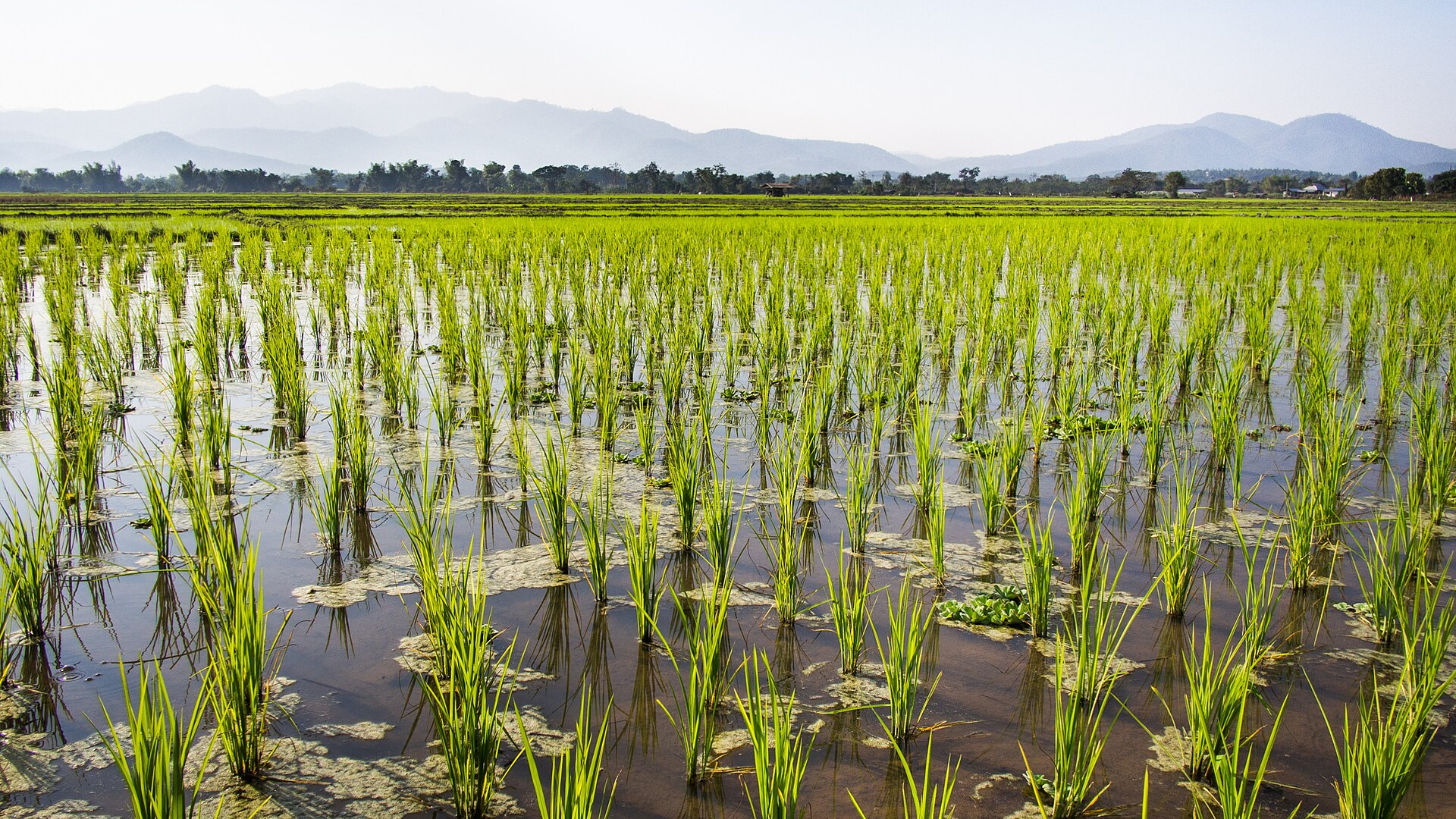
The 2020s have seen sustained palm oil plantation expansion across Indonesia. Central Kalimantan has lost a significant fraction of its peat swamp habitat. The habitats that host B. hendra and several other coccina-complex endemics are being replaced by monoculture plantations.
Conservation implications:
- Wild populations of blackwater bettas are declining.
- Many species (hendra, persephone, tussyae) face imminent extinction.
- Captive breeding is the last insurance policy for several.
- International conservation law is weak for obscure tropical fish species.
See wild betta conservation for the broader discussion.
Why this matters
Most people will never keep a Betta hendra. Most readers of this page will only encounter the species as a conservation story. That’s the point.
The 2026 captive breeding report is a reminder that:
- The genus Betta contains species that are actively going extinct.
- Hobbyist-scale captive breeding, done responsibly, is a meaningful conservation tool.
- Peer-reviewed scientific work on fish species you’ve never heard of is worth supporting.
- Palm oil as a consumer product has direct species-extinction consequences in Borneo’s peat swamps.
The Wiley paper is the kind of primary source this site exists to surface. Read it directly if you have access (doi: 10.1002/aqc.70186).
What you can do
- Support conservation organizations active in Borneo peat swamp protection.
- Avoid palm oil products where possible (challenging; palm oil is in many processed foods).
- If you’re a wild betta keeper, source only from captive-bred stock.
- Learn the species names and status. A fish that has a name and a story is harder to lose quietly.
Betta hendra may not exist in the wild in 20 years. The captive lines established in 2026 and after are all that will remain. Understanding this context is the whole reason wild betta conservation matters beyond the pet-keeping interest.
Related on this site
- Wild Bettas: The 70+ Species Beyond Betta splendens
- Wild Betta Conservation: Palm Oil, Peat Swamps, and the Pet Trade
- Krabi’s Endemic Bettas: The IUCN August 2025 Feature
- Betta channoides: The Red-Orange Mouthbrooding Miniature
- Betta macrostoma: The Brunei Beauty
Frequently asked
- Is Betta hendra available to hobbyists?
- Very limited. The 2026 captive breeding was achieved in a conservation-oriented facility. Hobbyist availability is expected to expand slowly over the following years as breeding programs mature.
- Why is hendra critically endangered?
- Habitat destruction in Central Kalimantan. Peat swamps in the species' range have been drained or burned for palm oil plantations at an extraordinary rate. Wild populations are small and fragmented.
- Is this related to Betta coccina?
- Yes, hendra belongs to the coccina species complex. Small size, wine-red coloration, blackwater specialist. Distinct from coccina by location and subtle morphology.
- Can I help conservation by keeping one?
- Indirectly, through supporting the captive breeding programs. Don't buy wild-caught; this species should only move through conservation-oriented breeding chains.