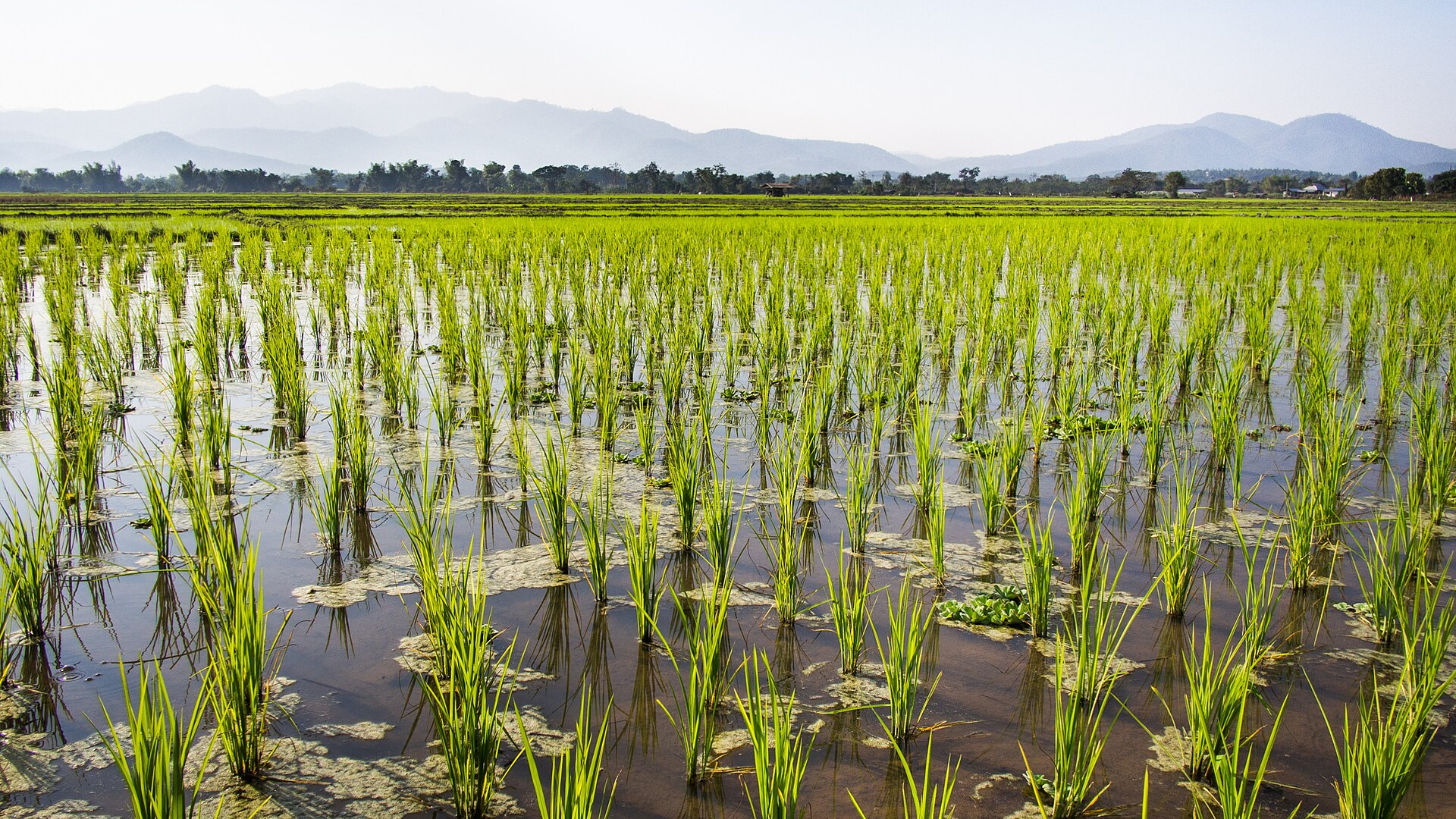
Krabi province in southern Thailand hosts several critically endangered endemic betta species found nowhere else on Earth. The IUCN’s August 2025 feature (iucn.org) documented the habitat loss driving these species toward extinction within the next 10 to 20 years. Most are small coccina-complex species, wine-red to dark brown, living in tiny isolated forest streams. This spoke summarizes the feature and contextualizes the conservation stakes.
Why Krabi
Krabi’s limestone karst landscape produces isolated forest streams fed by seasonal rainfall and karst springwater. Geological isolation over millions of years generated endemic species across many taxa: fish, snails, crustaceans, amphibians. Each stream system can host species found in no adjacent drainage.
For bettas specifically, several coccina-complex populations exist in Krabi that are genetically distinct from populations in Malaysia and Indonesia. Some are formally described; others are provisional or undescribed.
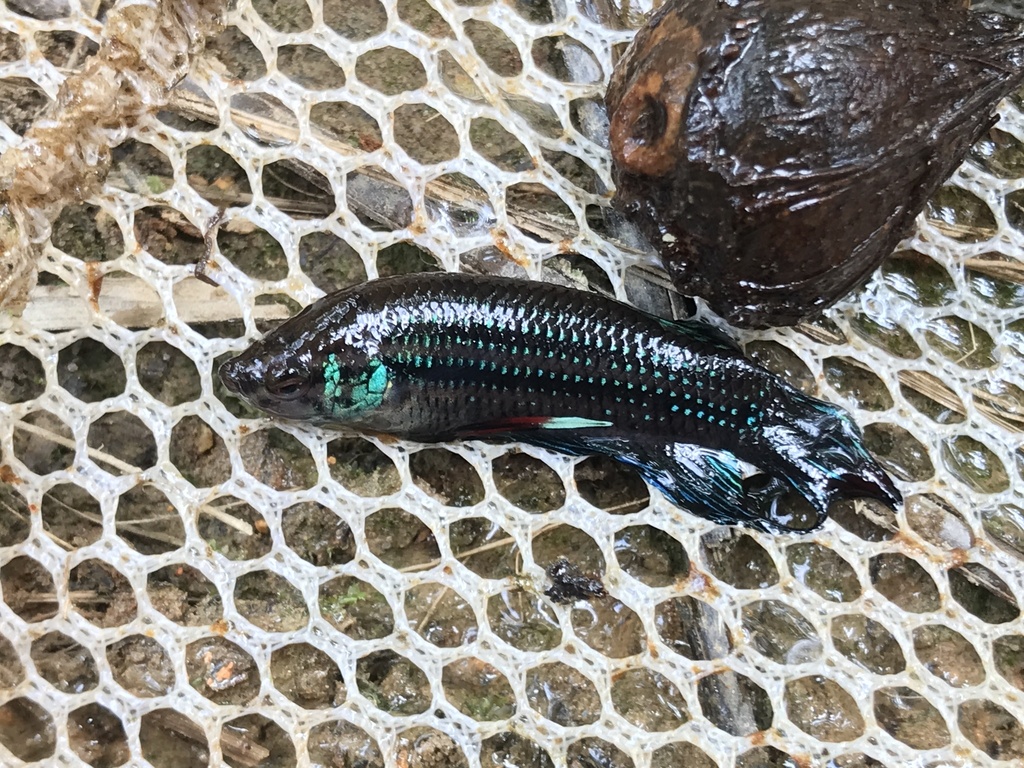
The IUCN feature
The IUCN’s August 2025 publication brought rare international attention to the region. Highlights:
- Documentation of habitat loss rates in Krabi’s small streams.
- Identification of specific species at imminent risk.
- Discussion of conservation barriers: the species are small, obscure, and not charismatic enough to attract major conservation funding.
- Call to action for hobbyist captive breeding communities to maintain insurance populations.
The piece is unusually blunt by IUCN standards: the title explicitly notes some species may be lost before descriptions are finalized.
The threats
Rubber plantation. Rubber trees are planted on cleared forest land. Rubber production is economically important in southern Thailand. Streams flowing through rubber plantations are altered by drainage modification, agricultural chemicals, and reduced canopy.
Palm oil. In lowland areas with appropriate soil, palm oil is replacing rubber or forest. Palm oil production involves more intensive land modification than rubber and produces more pronounced water chemistry changes.
Tourism development. Krabi is a tourism destination. Hotels, resorts, and access infrastructure place development pressure on stream ecosystems.
Road construction. New road cuts through forest isolate populations and can eliminate stream habitats directly.
Agricultural runoff. Pesticides and fertilizers alter water chemistry in small streams that cannot dilute chemical inputs effectively.
Climate shifts. Seasonal rainfall pattern changes may reduce dry-season flow in marginal habitats, eliminating species requiring continuous water.
Keeping the endemics in captivity
Captive stock is extremely limited. Most known individuals are in:
- European specialist wild-betta collections.
- A few Thai captive breeding programs.
- IBC conservation-oriented breeders.
For hobbyists interested in supporting the species:
- Connect with IBC and specialist wild-betta forums.
- Offer to maintain captive lines if you have the experience (blackwater keeping, live food culture, long-term commitment).
- Don’t buy wild-caught specimens; it drives overharvest of already-stressed populations.
- Support conservation organizations funding habitat preservation in Krabi.
Keeping requirements (general)
For coccina-complex Krabi species (captive-bred where available):
- 10-15 gallon per pair.
- RO water, pH 4.0-5.0, dGH under 2.
- Temperature 24-26 °C.
- Heavy blackwater setup with indian almond leaves.
- Live food only initially; transition to frozen slowly.
- Tight lid.
- Minimal tank disturbance.
Conservation action
Krabi betta conservation requires multiple levels of action:
International: listings on CITES and IUCN Red List. Some species are listed; coverage is incomplete.
National (Thai): protected areas that include specific stream systems. Thai conservation has mixed resources and enforcement.
Regional: local forest reserve establishment. Grassroots conservation.
Private/hobbyist: captive breeding for genetic preservation. Hobbyist communities can maintain viable populations if the wild source survives long enough for rescue efforts.
The sobering reality
Several Krabi endemic bettas will go extinct. This is not “might;” it is probable given current habitat loss rates and the limited conservation response.
The captive breeding programs in place today may be the only descendants of these species in 30 years. That places a real weight on the hobbyist breeding community to maintain and propagate lines responsibly.
The alternative (losing species quietly, with no insurance population, no documentation, no offspring) has happened to other obscure Southeast Asian freshwater species and will continue happening unless conservation attention expands.
Primary source
The IUCN August 2025 feature is the single best entry point to this topic: iucn.org/story/202508/planet-will-never-see-species-again-fight-save-krabis-endemic-betta-fish.
Read it directly. It’s accessible and short. Then consider what role, if any, you want to play in the keeping-and-conserving community for these species.
This is the depth of conservation coverage Betta Dreams commits to. The pet-store betta in the cup at PetSmart is an infinitely renewable resource. The Krabi endemics are not. The difference matters, and most betta-keeping information online elides it entirely.
Related on this site
- Wild Bettas: The 70+ Species Beyond Betta splendens
- Wild Betta Conservation: Palm Oil, Peat Swamps, and the Pet Trade
- Betta simplex: Mouthbrooder of Krabi’s Limestone Streams
- Betta channoides: The Red-Orange Mouthbrooding Miniature
- Betta hendra: First Captive Breeding Reported in 2026
- Betta macrostoma: The Brunei Beauty
Frequently asked
- Which bettas are endemic to Krabi?
- Several small coccina-complex species with very restricted ranges, including some recently described and several undescribed populations. IUCN lists several as critically endangered.
- Why is Krabi special?
- Geological isolation. Limestone karst landscape and small isolated forest streams produced many endemic species across taxa. Many are found in single-stream ranges that can be wiped out by a single land-use change.
- Can I keep Krabi endemics?
- Captive stock is scarce. Those that exist are with conservation-oriented breeders. If you're interested, connect with IBC or specialist wild-betta networks. Wild collection is ethically and legally problematic.
- What's driving the habitat loss?
- Rubber plantation expansion, palm oil where soil permits, tourism-related development, road construction, and agricultural runoff. Limestone karst water sources are particularly sensitive to surface disturbance.