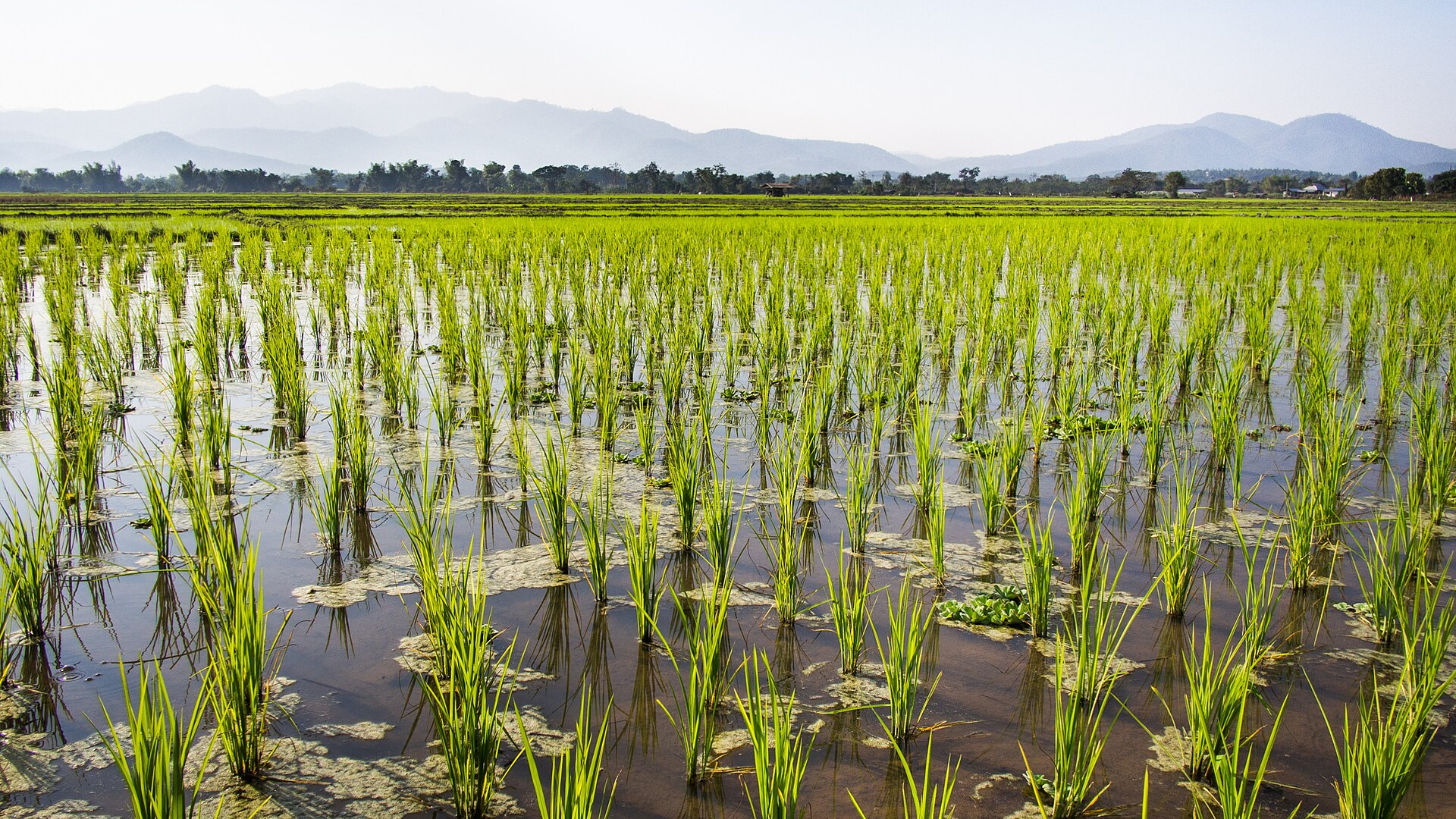
Betta mahachaiensis is the only member of the Betta splendens complex that lives in brackish water. While B. splendens, B. imbellis, and B. smaragdina occupy freshwater rice paddies, ditches, and swamps across the Thai interior, mahachaiensis occupies a narrow coastal strip near Samut Sakhon — a province just southwest of Bangkok — where tidal influence creates the brackish-water habitat the species has adapted to.
It was not recognized as a distinct species until 2012. Its habitat is disappearing faster than it is being studied.
Taxonomy and discovery
Betta mahachaiensis was formally described by Kowasupat et al. in Zootaxa in 2012, based on morphological analysis and genetic comparison with B. splendens specimens from the same region. The two species overlap visually and were historically conflated by Thai fish traders and hobbyists, both of whom simply called coastal-caught fighting fish “plakat.”
The species name derives from Maha Chai, the local name for the Samut Sakhon district where the type specimens were collected.
Molecular analysis places mahachaiensis within the Betta splendens complex alongside B. splendens, B. imbellis, B. smaragdina, and B. siamorientalis. All are bubble-nest builders. The closest relative within the complex based on current genetic data is B. siamorientalis from eastern Thailand.
Distribution and habitat: brackish and restricted
The native range of B. mahachaiensis is narrow even by wild betta standards. It occurs in coastal lowlands of Samut Sakhon Province and adjacent areas in the inner Gulf of Thailand coastal zone — an area bounded by the tidal influence zone of the Tha Chin River system and adjacent channels.
The habitat is Nipa palm swamps (Nypa fruticans) — the dense monoculture of nipa palms that colonizes the brackish inter-tidal zone throughout Southeast Asia — along with tidal channels, irrigation ditches influenced by salt water intrusion, and coastal ponds with variable salinity.
Water chemistry in these habitats:
- Conductivity: Significantly elevated compared to freshwater — typically 1,000–3,000 µS/cm vs. the 100–400 µS/cm typical of inland bettas
- pH: Near neutral to slightly alkaline (7.0–7.8), higher than the slightly acidic peat-swamp water of B. imbellis or B. smaragdina
- Temperature: 26–30°C typical for the Gulf coastal zone
- Vegetation: Dense Nipa palm and associated aquatic plants; heavy shade; slow to still water in channels and swamp pockets
Appearance and identification
Betta mahachaiensis closely resembles wild-type B. splendens at a glance. Precise identification requires comparison against described morphological characteristics:
- Scale count (lateral scale row count differs from splendens)
- Fin ray counts (dorsal and anal)
- Coloration in living specimens: males show blue-green iridescent scaling similar to B. imbellis, with red fin margins; the iridescence is sometimes described as more coppery or bronze-toned than splendens
- Standard length: similar to wild-type B. splendens (5–6 cm)
In practice, provenance (where the fish was caught or sourced) is the most reliable identifier for hobbyists — a fish from the Samut Sakhon brackish zone is almost certainly mahachaiensis rather than splendens.
Conservation status and threats
IUCN Red List 2021: Vulnerable (VU).
The Vulnerable listing reflects two compounding factors:
1. Restricted range. The species is essentially endemic to a single coastal district. It does not have a broad reservoir population elsewhere that would allow recovery from local habitat loss.
2. Rapid habitat destruction. The Nipa palm swamps and brackish coastal channels of Samut Sakhon are under direct pressure from:
- Industrial estate expansion (Samut Sakhon is one of Thailand’s major industrial zones, home to seafood processing and manufacturing)
- Urban development and coastal reclamation
- Aquaculture conversion — brackish ponds for shrimp and salt production displace wild habitat
- Water quality degradation from industrial effluent
Research published after the IUCN assessment noted continued contraction of suitable habitat. Unlike the broader distributional species in the complex (B. splendens, B. imbellis), mahachaiensis has nowhere else to go.
3. Collection pressure. Mahachai fighting fish have been used in the local fighting-fish tradition and are collected for the ornamental trade. Collection from a restricted and declining population is an additional threat on top of habitat loss.
Captive care
Betta mahachaiensis requires water parameters that differ from standard betta husbandry:
| Parameter | Recommendation |
|---|---|
| Tank size | 10 gallons minimum |
| Temperature | 26–30°C (79–86°F) — slightly warmer than standard |
| Salinity / conductivity | Add 1 tablespoon marine salt or sea salt per 5 gallons to approximate brackish conditions |
| pH | 7.0–7.5 |
| Hardness | Moderate to hard — opposite of the soft water preference of many wild bettas |
| Filtration | Gentle sponge filter — same as other bettas |
| Cover | Dense planting appropriate to brackish tanks (Java fern, Vallisneria, or Nipa palm aquatic zone equivalents) |
The salt addition is important for long-term health. Mahachaiensis has physiological adaptations to brackish ion balance that freshwater alone does not support optimally. Standard freshwater-only husbandry will keep the fish alive but may produce chronic, subclinical osmotic stress.
Male aggression is comparable to B. splendens. Do not house adult males together. Male-female housing carries the same risks as other splendens-complex bettas — condition both fish and supervise introduction.
Where this species fits in the wild betta hobby
B. mahachaiensis is not for beginners. The brackish water requirement, limited availability, and conservation sensitivity make it a species for keepers with specific interest in wild bettas and the infrastructure to provide appropriate conditions.
For anyone interested in this species, captive-bred specimens from documented breeding projects are strongly preferable to wild-caught fish. Every wild-caught fish from a Vulnerable population in a restricted, declining habitat represents real conservation cost. The hobbyist breeding community has produced captive populations — seek them out rather than wild-caught imports.
Related on this site
- Wild Bettas: The 70+ Species Beyond Betta splendens
- Betta imbellis: The Peaceful Betta
- Betta smaragdina: The Emerald Betta
- Wild Betta Conservation: Palm Oil, Peat Swamps, and the Pet Trade
- Wild Betta Species List
Frequently asked
- Is Betta mahachaiensis saltwater or freshwater?
- Neither exclusively. Betta mahachaiensis inhabits brackish water — a mix of fresh and salt water found in tidal channels, coastal swamps, and areas influenced by tidal flow. It tolerates conductivity levels well above freshwater. In captivity it can be kept in freshwater but performs better with a small addition of marine salt or sea salt to the tank.
- Can Betta mahachaiensis and Betta splendens hybridize?
- They are closely related — both are members of the Betta splendens complex — and captive hybridization is possible. Their natural ranges do not overlap significantly, as mahachaiensis occupies brackish coastal habitat while splendens is predominantly a freshwater species. In captivity, keep species separate to avoid hybrids and maintain genetic integrity.
- Why is Betta mahachaiensis conservation-critical?
- Its habitat — the brackish Nipa palm swamps and coastal mangrove zones near Samut Sakhon — is being destroyed by industrial development, urban expansion, and aquaculture conversion at an accelerating rate. The species has a restricted range; it is essentially endemic to this coastal zone. Habitat loss combined with collection pressure for the local fighting-fish trade creates a serious ongoing threat.
- Is Betta mahachaiensis the same as Betta splendens?
- No. Betta mahachaiensis was formally described as a separate species by Kowasupat et al. in 2012, based on morphological and genetic analysis distinguishing it from B. splendens. It is a member of the B. splendens complex but is a distinct species with a distinct habitat, distinct appearance under examination, and a distinct population threatened differently from splendens.
- Where can I buy Betta mahachaiensis?
- From specialist wild betta importers and dedicated hobbyist breeders. It does not appear in standard pet store stock. The Inktomi Wild Betta Database and specialist forums (Siam Betta, Wild Betta World) are starting points for finding breeders. Captive-bred specimens are preferable to wild-caught for conservation and health reasons.