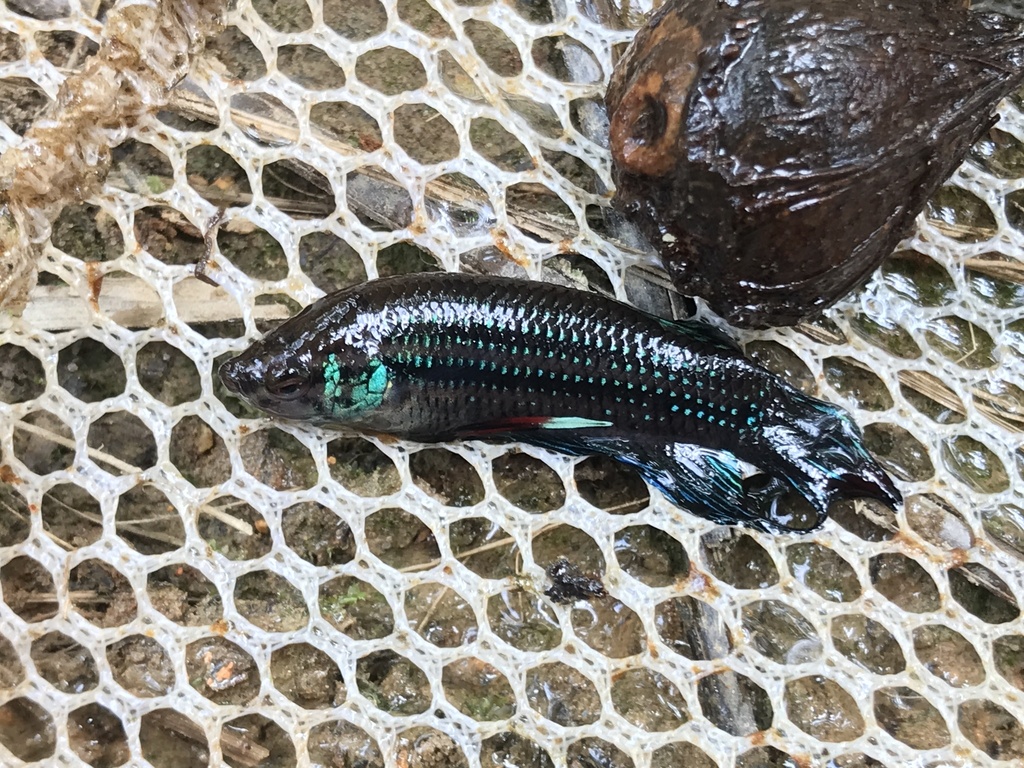
The genus Betta contains 70+ described species as of 2026. New species are described regularly. This page catalogs the commonly recognized species, organized by species complex, with IUCN conservation status and basic notes. Verify current status against [IUCN Red List](https://www.iucnredlist.org/) directly before citing in formal work.
Splendens complex (bubblenesters, lowland tropical)
| Species | Common | Habitat | IUCN | Notes |
|---|---|---|---|---|
| B. splendens | Siamese fighting fish | Thailand, domesticated | VU | The pet-trade species |
| B. imbellis | Peaceful betta | Thailand, Malaysia, Sumatra | LC | Beginner wild betta |
| B. smaragdina | Emerald betta | Thailand | LC | Beginner wild |
| B. mahachaiensis | Mahachai | Thailand (Samut Sakhon) | VU | Brackish-tolerant |
| B. siamorientalis | none | East Thailand | DD | Recently described |
| B. stiktos | none | Cambodia, Vietnam | DD | Poorly studied |
| B. splendens (wild form) | none | Central Thailand | VU | Distinct from pet strain |
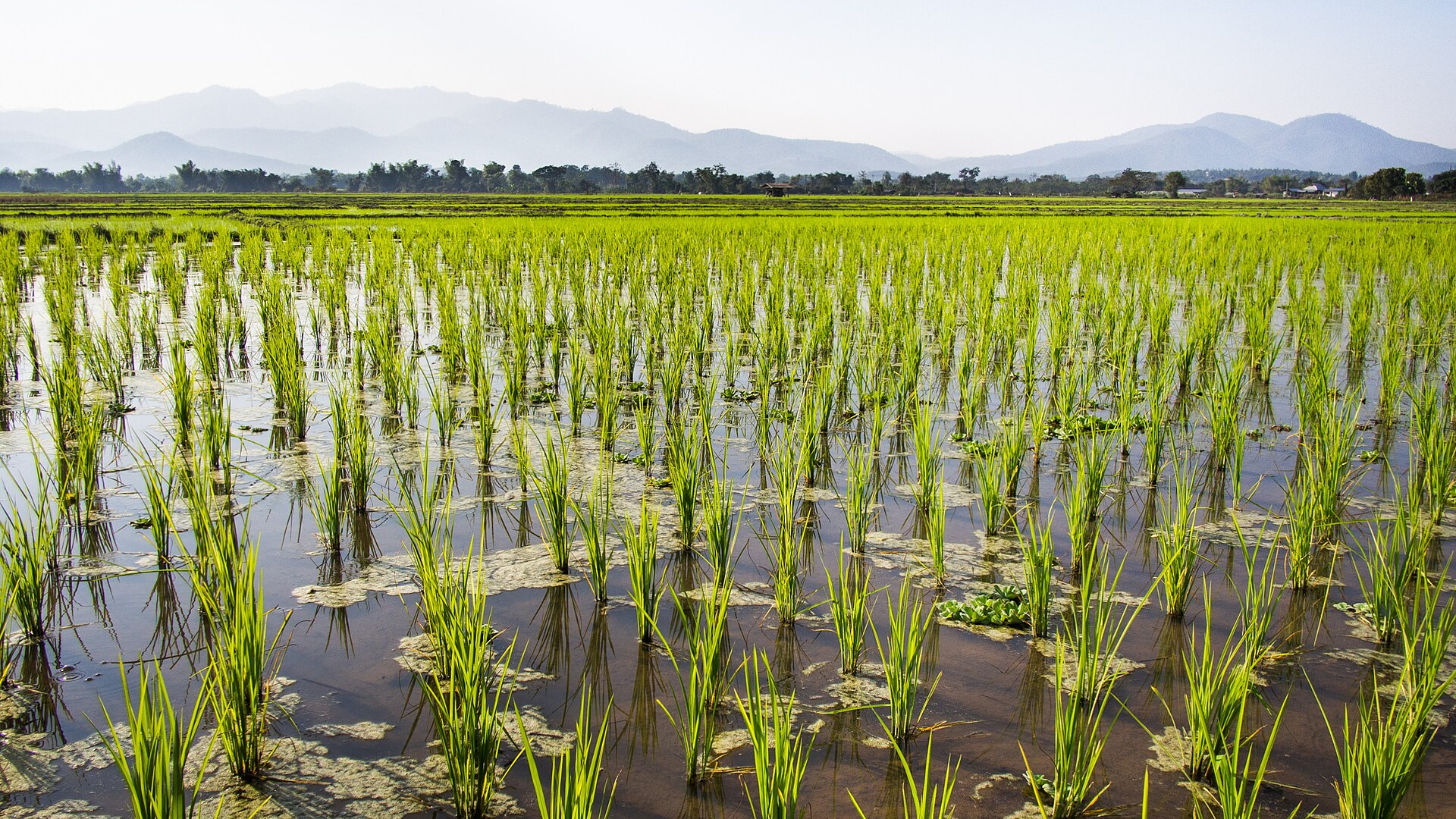
Coccina complex (small blackwater)
| Species | Common | Habitat | IUCN | Notes |
|---|---|---|---|---|
| B. coccina | Wine-red | Sumatra, Malaysia | LC | Small, soft water |
| B. brownorum | Brown’s betta | Borneo | NT | Red-brown body |
| B. burdigala | none | Sumatra | DD | Rare |
| B. persephone | Black betta | Malaysia | CR | Critically endangered |
| B. livida | none | Malaysia | EN | Blue-green |
| B. miniopinna | none | Sumatra | DD | Small red species |
| B. rutilans | none | Borneo | NT | Wine-red |
| B. tussyae | none | Malaysia | EN | Rare |
| B. hendra | none | Borneo (Kalimantan) | CR | First captive-bred 2026 |
| B. uberis | none | Borneo | DD | Recently described |
Macrostoma complex (large Borneo mouthbrooders)
| Species | Common | Habitat | IUCN | Notes |
|---|---|---|---|---|
| B. macrostoma | Brunei Beauty | Brunei, Sarawak | EN | Iconic mouthbrooder |
| B. ibanorum | none | Sarawak | DD | Similar to macrostoma |
| B. akarensis | none | Sarawak | LC | Lowland |
| B. balunga | none | Sarawak | DD | Poorly known |
| B. obscura | none | Sarawak | DD | Shadow betta |
Picta complex (Java and Sumatra mouthbrooders)
| Species | Common | Habitat | IUCN | Notes |
|---|---|---|---|---|
| B. picta | Spotted betta | Java | LC | Small mouthbrooder |
| B. falx | none | Sumatra | DD | Similar to picta |
| B. taeniata | Striped betta | Sumatra, Borneo | NT | Medium mouthbrooder |
Unimaculata complex (Borneo large mouthbrooders)
| Species | Common | Habitat | IUCN | Notes |
|---|---|---|---|---|
| B. unimaculata | Single-spot | Borneo | LC | Large, predatory |
| B. ocellata | Eye-spot | Borneo | NT | Large |
| B. patoti | none | Borneo | DD | Poorly studied |
| B. compuncta | none | Borneo | DD | Similar complex |
| B. pallifina | none | Borneo | DD | none |
| B. gladiator | none | Borneo | DD | none |
Pugnax complex (peninsular Malaysia mouthbrooders)
| Species | Common | Habitat | IUCN | Notes |
|---|---|---|---|---|
| B. pugnax | none | Malaysia | LC | Common |
| B. schalleri | none | Bangka, Belitung | DD | Island endemic |
| B. enisae | none | Borneo | DD | Rare |
| B. chini | none | Sabah | DD | Highland |
| B. prima | none | Thailand, Cambodia | LC | Similar to pugnax |
Albimarginata complex (smallest mouthbrooders, red-orange)
| Species | Common | Habitat | IUCN | Notes |
|---|---|---|---|---|
| B. albimarginata | White-edged | Borneo | NT | Striking red-orange |
| B. channoides | none | Borneo (Mahakam) | EN | Similar to albimarginata |
Bellica complex (large bubblenesters)
| Species | Common | Habitat | IUCN | Notes |
|---|---|---|---|---|
| B. bellica | Slender betta | Malaysia, Sumatra | NT | Large, elongate |
| B. simorum | none | Sumatra | DD | Recently described |
Waseri complex (peat-swamp giants)
| Species | Common | Habitat | IUCN | Notes |
|---|---|---|---|---|
| B. waseri | none | Malaysia | EN | Large, peat swamp |
| B. hipposideros | none | Malaysia | EN | Large mouthbrooder |
| B. tomi | none | Johor | EN | Critically limited range |
| B. pi | none | Malaysia | EN | Similar |
| B. spilotogena | none | Sumatra | EN | Recently described |
| B. chloropharynx | none | Sumatra | DD | none |
Other species (singleton or small complexes)
| Species | Common | Habitat | IUCN | Notes |
|---|---|---|---|---|
| B. anabatoides | none | Sumatra, Borneo | LC | Mouthbrooder |
| B. edithae | none | Borneo | LC | Mouthbrooder |
| B. rubra | none | Sumatra | CR | Critically endangered |
| B. dennisyongi | none | Malaysia | DD | Recently described |
| B. mandor | none | Borneo | DD | none |
| B. kuehnei | none | Malaysia | DD | none |
| B. fusca | none | Sumatra | LC | Mouthbrooder |
| B. strohi | none | Borneo | DD | none |
IUCN status key
- LC Least Concern
- NT Near Threatened
- VU Vulnerable
- EN Endangered
- CR Critically Endangered
- DD Data Deficient (not assessed or insufficient information)
What this list doesn’t include
New species descriptions appear regularly in peer-reviewed ichthyological journals. As of 2026, several species are provisional or undescribed but known to hobbyists and researchers. Check current taxonomic databases (FishBase, Catalog of Fishes) for updates.
Some species formerly recognized as distinct have been synonymized. Some populations long treated as single species are being split based on genetic work. The genus is active taxonomically.
How to use this list
For conservation awareness: note the CR and EN species. Many are facing near-term extinction due to habitat loss.
For keeping: start with LC splendens-complex species (imbellis, smaragdina). Work up to NT/VU species with experience. Leave CR/EN species to captive breeding programs unless you’re part of one.
For research: this list is a starting point. Always verify against primary taxonomic sources before citing.
For collecting: never collect from the wild. Source from captive-bred stock through IBC breeders, responsible AquaBid sellers, or specialist retailers who can document captive origin.
The conservation reality
Southeast Asian freshwater habitats are disappearing. The 2025 IUCN feature on Krabi endemics (iucn.org) documented the palm-oil expansion driving local betta extinctions. Betta hendra’s first captive breeding (Wiley, 2026) is a conservation milestone because the wild population may not persist.
Every hobbyist keeping a rare betta species in captive breeding is a small insurance policy against extinction. See wild betta conservation for the broader picture.
The pet-trade splendens is one species in a rich genus that is rapidly losing members. Keeping the others, breeding them responsibly, and citing real conservation sources is the depth Betta Dreams commits to.
Related on this site
- Wild Bettas: The 70+ Species Beyond Betta splendens
- Wild Betta Conservation: Palm Oil, Peat Swamps, and the Pet Trade
- Betta channoides: The Red-Orange Mouthbrooding Miniature
- Betta hendra: First Captive Breeding Reported in 2026
- Krabi’s Endemic Bettas: The IUCN August 2025 Feature
Frequently asked
- How many betta species are there?
- Over 70 described species as of 2026, with several more awaiting formal description. New species are still being named each year from Southeast Asian surveys.
- Which complex are most pet-trade bettas in?
- The splendens complex. Betta splendens itself is the domesticated pet species. Relatives include B. imbellis, B. smaragdina, B. mahachaiensis, B. siamorientalis, B. stiktos.
- Which species are critically endangered?
- Betta persephone, Betta hendra, Betta rubra, and several Krabi endemics. Most face imminent wild extinction from palm oil and peat swamp loss.
- What's the largest betta species?
- Waseri-complex species (B. waseri, B. hipposideros) reach 12 to 14 cm. Unimaculata complex species are similar. These are much larger than the pet-trade splendens.