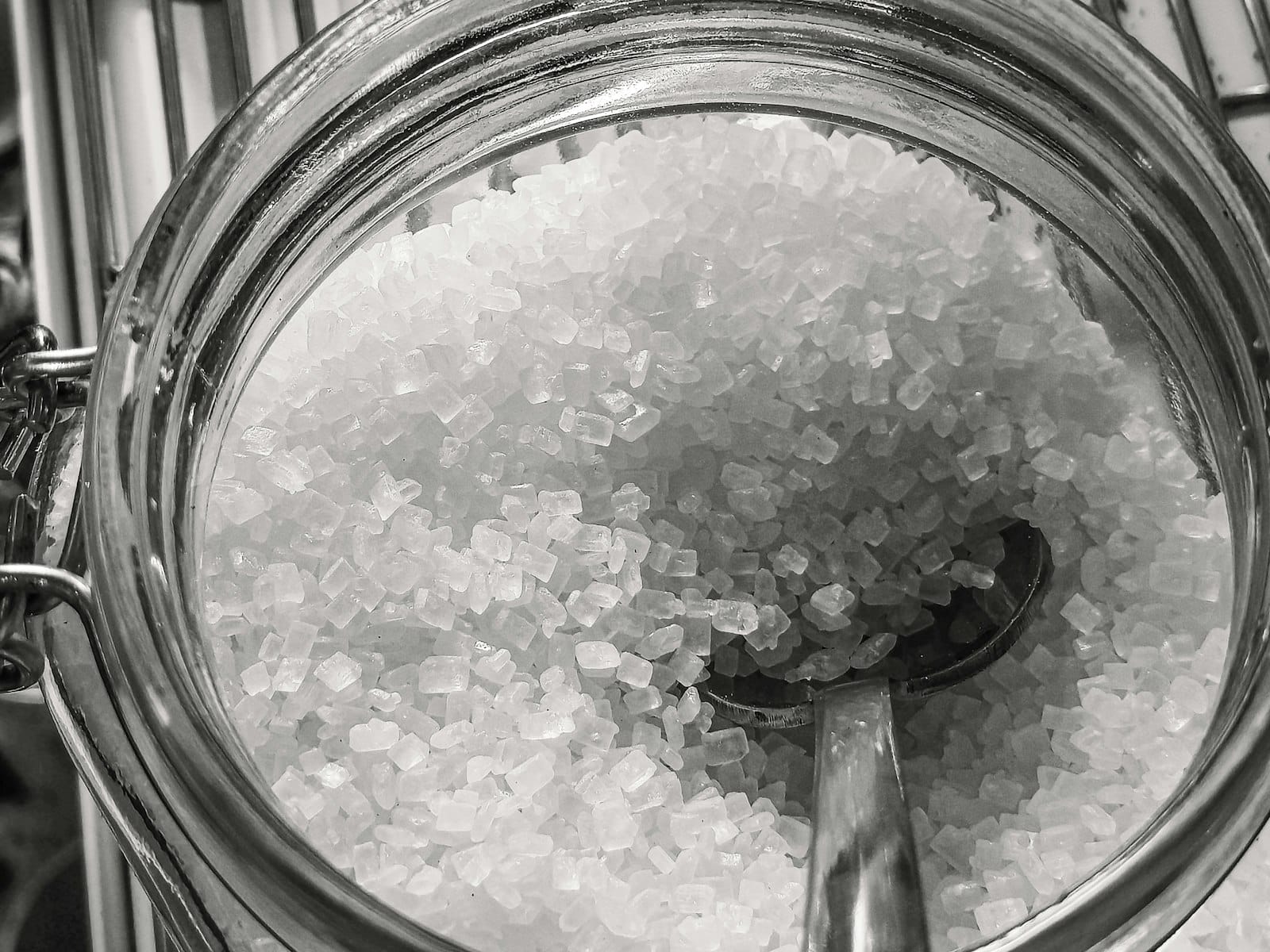
Aquarium salt, plain sodium chloride with no iodine or anti-caking agents, supports a stressed or sick betta’s osmoregulation and has a mild antiparasitic effect at hobby concentrations. The common starting dose is 1 tablespoon per 5 gallons as a general tonic, climbing to 1 tablespoon per gallon for a short salt bath (Aquarium Co-Op, plant-safety FAQ). But bettas don’t tolerate sustained salt the way livebearers like mollies do, and most betta-specific care guides treat it as a short-term medication, not a weekly additive.
Aquarium salt is not table salt
Table salt is iodized and mixed with anti-caking agents to keep it free-flowing in a shaker. Both additives are unnecessary in a fish tank and the anti-caking compounds in particular aren’t formulated for aquatic life. Aquarium salt, sold by API and similar brands, is evaporated sea salt or mined rock salt with nothing added: pure sodium chloride (Aquarium Co-Op, aquarium salt guide). Marine salt mix and Epsom salt (magnesium sulfate) are different compounds entirely and aren’t interchangeable with aquarium salt despite sitting on the same store shelf. If the box doesn’t say “aquarium salt” or list sodium chloride as the only ingredient, don’t use it in a betta tank.
What aquarium salt actually does
Two mechanisms, both real, neither magic. First, sodium chloride reduces the osmotic gradient a freshwater fish’s kidneys have to fight. Freshwater fish constantly take on water through their gills and skin and pump it back out as dilute urine; a small rise in tank salinity narrows that gradient and eases the workload during stress or illness. Second, salt is mildly toxic to some external parasites and to certain fungi and bacteria at concentrations fish tolerate better than the pathogens do. The Merck Veterinary Manual lists sodium chloride as a low-regulatory-priority therapeutic in aquaculture, used to ease osmoregulatory stress and to control some protozoan and copepod parasites (Merck Veterinary Manual, therapeutic considerations). That’s the entire case for aquarium salt. It is not an antibiotic, it doesn’t touch internal infections, and it won’t do much against a fast-moving bacterial disease on its own.
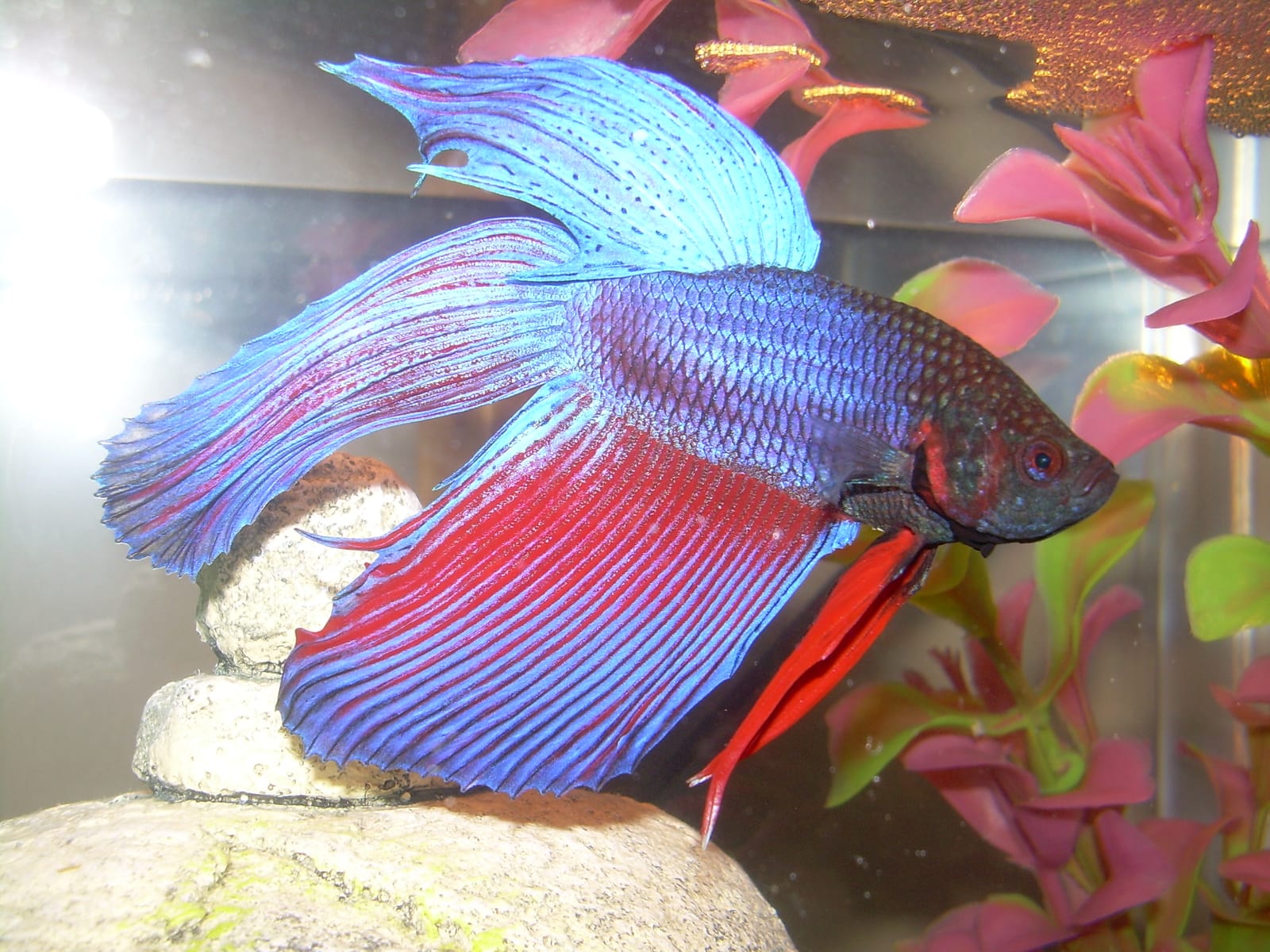
How much aquarium salt for a betta
Sources land in a similar range, but they aren’t identical, and the differences matter enough to spell out rather than collapse into one number.
General tonic dose: 1 tablespoon per 5 gallons is the classic freshwater figure, sourced from Aquarium Co-Op’s plant-safety guidance as a concentration “generally considered to be safe” for most freshwater fish and even salt-sensitive corydoras (Aquarium Co-Op). This figure isn’t betta-specific; it’s the floor most freshwater tonic-dosing advice starts from.
Treatment doses, from Aquarium Co-Op’s sick-fish protocol, run in three steps:
- Mild: 1 tablespoon per 3 gallons, for 4 to 5 days, for minor bacterial or fungal issues.
- Moderate: 1 tablespoon per 2 gallons, for up to 10 days, for a broader range including ich.
- Strong: 1 tablespoon per 1 gallon. Described as “very hard on scaleless fish and other sensitive species,” and the same concentration used for salt baths (Aquarium Co-Op).
Betta-specific guidance runs more conservative. One betta-focused care guide recommends starting a hospital-tank dose at 1 teaspoon per gallon (about a third of Aquarium Co-Op’s mild tier), capping at 1 tablespoon per gallon only if needed, for 5 to 10 days depending on the issue (Betta Care Hub).
Read those together rather than picking whichever number is most convenient: start low, at or below the 1 tablespoon per 5 gallons tonic dose, and only move toward the stronger tiers for a specific, identified problem, ideally after confirming water parameters aren’t the actual cause. One dosing mechanic matters regardless of which tier you use: salt does not evaporate and isn’t removed by filtration. Water changes are the only way to reduce concentration, and topping off evaporated water without adding salt actually raises it. Add salt for the volume of water you replace, not the tank’s full volume, every time after the first dose.
Betta salt baths: dosage and how long
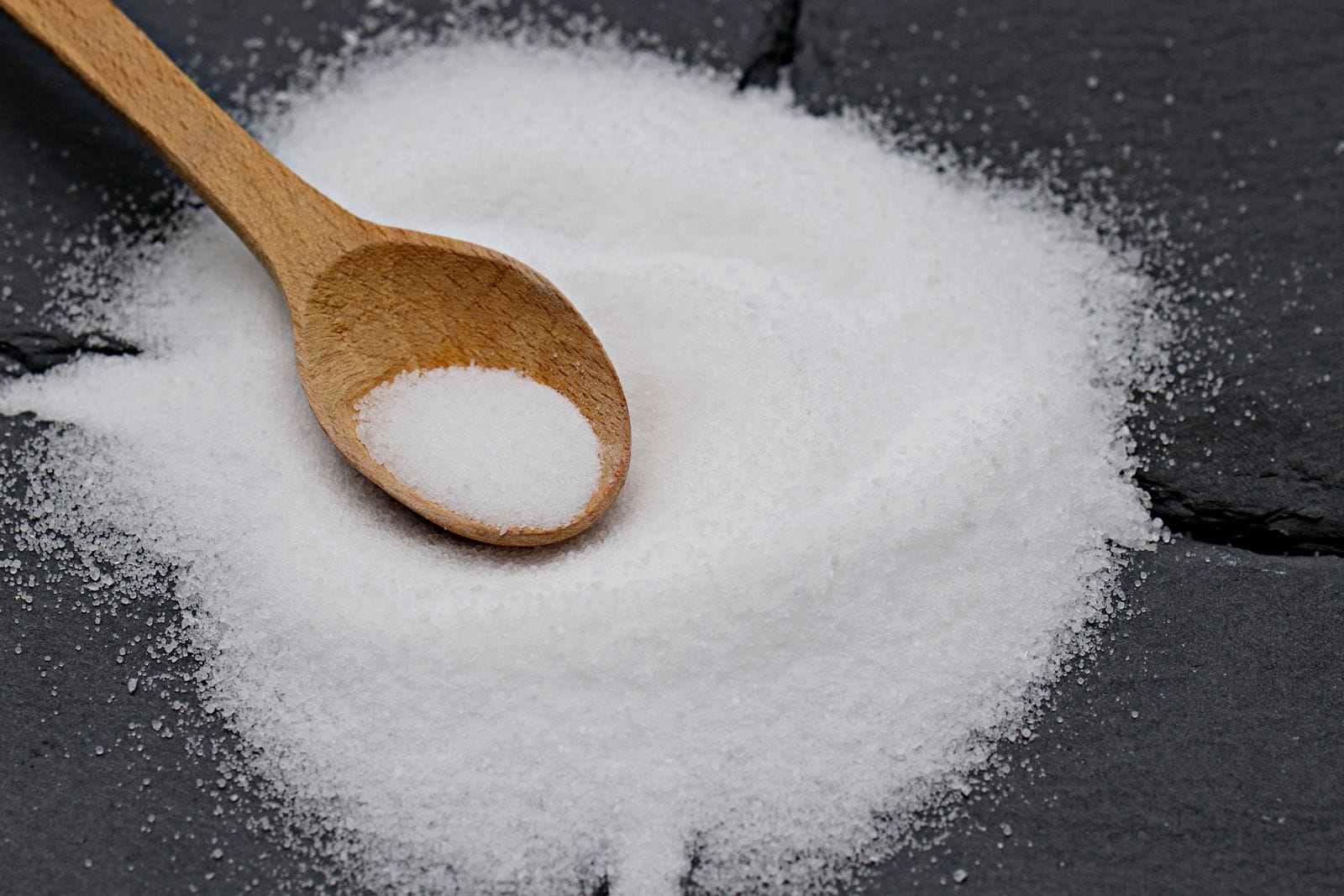
A salt bath is a separate, short-duration dip done in a container outside the main tank, not a continuous dose. The standard betta protocol: 1 tablespoon of aquarium salt per gallon of dechlorinated water, with the fish in for 10 to 15 minutes, once daily for 3 to 5 days and rarely longer than 7 (Betta Care Hub). Watch the fish the entire time. If it goes on its side, stops moving its gills normally, or shows obvious distress before the 10-minute mark, net it out immediately and return it to clean, unsalted water. A bath this concentrated is meant to be brief and supervised, never left running unattended.
Salt bath vs. continuous low-level dosing
The two approaches solve different problems and shouldn’t be confused. A salt bath is a brief, concentrated exposure, useful as a stopgap for external irritation, mild fungus, or as supportive care while you set up a proper hospital tank. It ends in minutes and the fish goes back to clean water. Continuous low-level dosing holds a milder concentration in the main or hospital tank for days, giving sustained osmotic support during a longer illness like ich, where the parasite’s life cycle takes over a week to run its course. Neither substitutes for the other, and neither substitutes for identifying what’s actually wrong. If you don’t know why the fish is stressed or sick, a salt bath buys a little time; it doesn’t diagnose anything.
Why bettas aren’t mollies
This is the part that gets flattened in a lot of general aquarium-salt advice: not every freshwater fish handles salt the same way. Mollies and other livebearers trace back to brackish and coastal habitats and can tolerate, and in some cases benefit from, sustained salt levels that would be excessive as a routine additive in a betta tank. Betta splendens doesn’t share that ancestry; wild and captive-bred stock alike are kept and bred in unsalted freshwater, and Seriously Fish’s species profile for Betta splendens lists no salinity requirement at all among its water parameters (Seriously Fish). That’s a real and specific difference, not a generic “some fish are more sensitive” hedge, and it’s the reason a community-tank rule of thumb borrowed from a livebearer setup doesn’t transfer cleanly to a betta.
Multiple betta-specific sources reflect this directly. One guide states plainly that if a betta is doing fine, don’t add salt to the tank at all, calling it a medication, not a maintenance product (Betta Care Hub). Bettafish.org frames it the same way: a treatment aid used during specific issues like fin rot, added “in small doses during each water change,” not a standing additive (Bettafish.org). Long-term, low-grade salt exposure risks osmotic imbalance, the opposite of what salt is supposed to fix, and can show up as dehydration-like symptoms or fin damage over weeks. Treat salt the way you’d treat any other medication cabinet item: useful when there’s a reason to reach for it, left alone otherwise.
Never with live plants
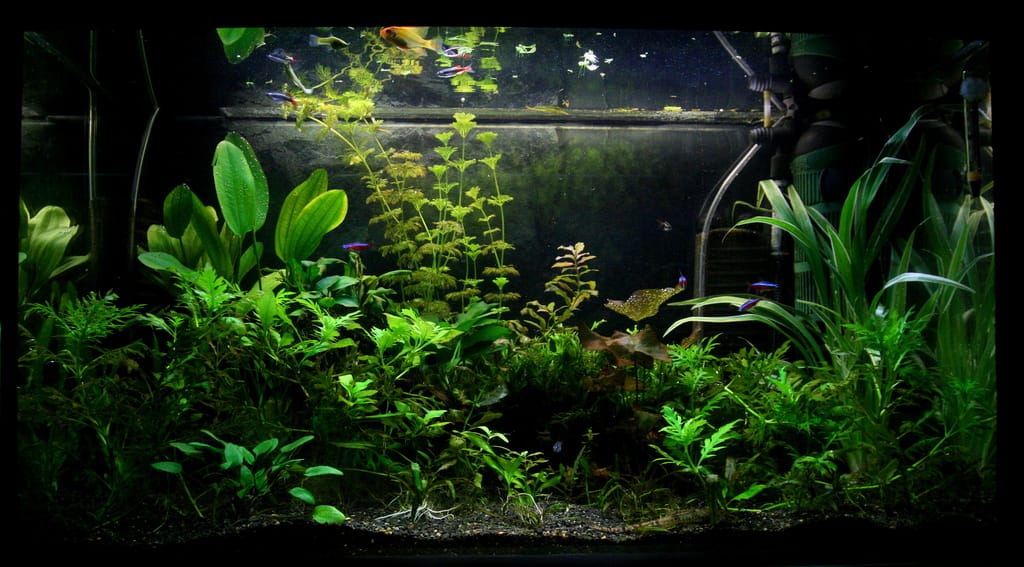
Salt is one of the few treatments in the betta hobby that’s flatly incompatible with a planted tank. Most aquatic plants pull water in through osmosis the same way fish do, and even the “generally safe” 1 tablespoon per 5 gallons tonic concentration stresses or kills salt-sensitive species over time (Aquarium Co-Op). If a betta in a planted tank needs salt treatment, the practical answer is a separate bare hospital tank, not dosing the display tank. Moving a sick fish is stressful on its own, but it’s less damaging than losing a planted layout to a treatment the plants were never going to survive.
Never with scaleless or salt-sensitive tank mates
Even outside a planted tank, salt isn’t universally safe for every fish and invertebrate a betta might share water with. Aquarium Co-Op flags the strongest treatment tier as “very hard on scaleless fish and other sensitive species” (Aquarium Co-Op), and betta-specific guidance names shrimp, snails, corydoras catfish, Chinese algae eaters, and African dwarf frogs, especially mid-shed, as species that don’t tolerate added salt well (Betta Care Hub). If any of those share the tank, salt treatment means pulling the betta into a separate hospital tank rather than salting the shared water, the same logic as the live-plant rule above. See tank mates for which species pair safely with a betta in the first place.
Is aquarium salt safe for betta fry?
Treat this one with extra caution. One betta-specific source reports fry tolerating salinity up to roughly 5 parts per thousand in research contexts, with adults showing somewhat more tolerance to sustained exposure (Betta Care Hub). That single data point isn’t an endorsement for home dosing. Fry have almost no body mass and essentially no margin for a measurement mistake, and a fry-rearing tank is the last place to introduce a variable that isn’t clearly necessary. Standard breeding and rearing protocols on this site don’t call for routine salt at all; see how to breed betta fish for the rearing-tank basics. If a fry batch develops a specific, identified problem that a vet or an experienced breeder confirms salt would help, that’s a narrow exception, not a default.
How long can salt stay in the tank?
Once a treatment course ends, remove salt gradually rather than all at once. Aquarium Co-Op’s protocol: hold the dose until the fish looks recovered, then do a 30% water change without re-adding salt, wait a week, and repeat if the illness doesn’t return (Aquarium Co-Op). Betta-specific hospital-tank protocols run shorter courses to begin with, 5 to 10 days, which shortens the whole cycle (Betta Care Hub). Either way, salt in a betta tank has a defined start and end point. If you’re not actively counting down a treatment course, there shouldn’t be salt in the water.
When a sick betta needs more than salt
Any illness serious enough to make you reach for aquarium salt is usually serious enough to warrant a broader look, not salt alone. Before dosing anything, test the water. Ammonia, nitrite, or a pH crash cause symptoms that look identical to early disease and salt won’t fix a water-quality problem. If parameters check out and the fish is genuinely sick, move it to a quarantine or hospital tank rather than treating in the display, both to protect any tank mates and to avoid dosing salt into water with plants or substrate that will hold onto it (see quarantine tank setup). For anything beyond mild stress or a minor fin nip, salt is support, not the whole treatment. Fin rot past its earliest stage needs an actual antimicrobial, and ich needs heat plus a dedicated medication, with salt only as an adjunct, never the primary treatment for either. A betta that isn’t improving within a few days of any home treatment, salt included, is a case for an aquatic vet, not a longer course of the same thing.
If you’re setting up or restocking a hospital tank, buy aquarium salt specifically, not table or marine salt: API Aquarium Salt, 17 oz (affiliate) covers occasional treatment for most home setups, and the 36 oz box (affiliate) is more economical for anyone running quarantine or hospital tanks on a regular basis. Both are plain sodium chloride formulated for freshwater aquariums, with nothing else mixed in. See our disclosure.
Related on this site
- Betta Fish Care: The Evidence-Based Guide
- Betta Quarantine Tank: Setup, Duration, and What to Watch For
- Betta Water Chemistry: pH, Hardness, Ammonia Basics
- Betta Ich (White Spot Disease): Heat Treatment Protocol
- Betta Fin Rot: Bacterial Cause, Medication Protocol, Prevention
- Betta Tank Mates: What Actually Works and What Doesn’t