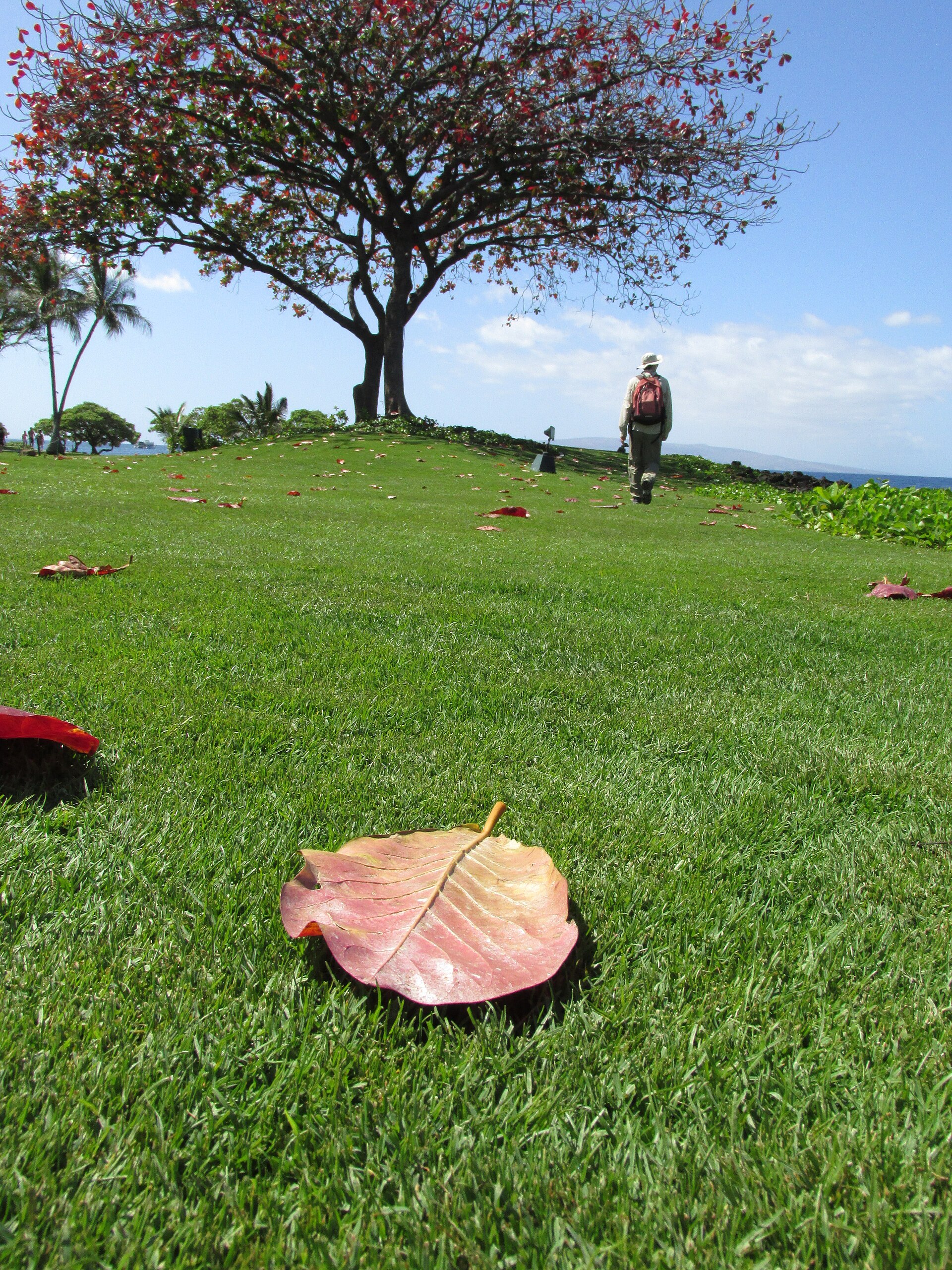
Indian almond leaves, sold as catappa leaves, release tannins into aquarium water that mildly lower pH, tint the water amber, and carry compounds with real, lab-documented antibacterial and antifungal activity. A direct study on Betta sp. found better survival and healthier blood profiles at higher leaf-extract concentrations. What the leaves do not do is cure fin rot on contact, no matter how often that claim circulates in hobbyist forums. The two are related but not the same thing, and this page tries to keep them separate.
This page has affiliate links. See our affiliate disclosure.
What’s actually in the leaf
Terminalia catappa is a tropical shade tree, native across coastal South and Southeast Asia, that drops large leaves turning reddish-brown as they senesce. As those leaves decompose in water, they release tannic acid, humic acids, fulvic acids, and a handful of other weakly acidic organic compounds (Aquarium Co-Op). The same leaf chemistry has been analyzed directly: extracts contain tannin, flavonoid, saponin, triterpenoid, phenolic compounds, and quinone, at meaningful concentrations, roughly 209 mg gallic acid equivalent per gram of extract for total phenolics (Allyn, Kusumawati & Nugroho, F1000Research 2018).
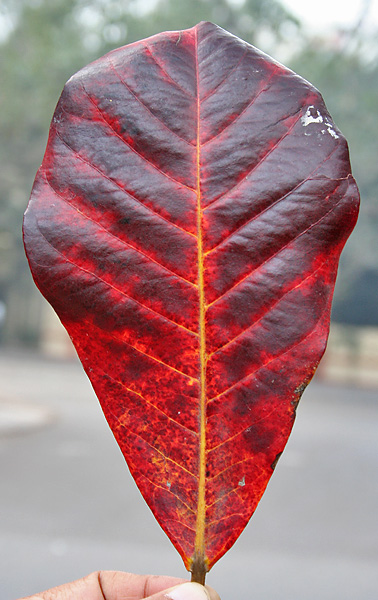
None of that is exotic. Oak leaves, peat, and driftwood release overlapping compounds, which is why any of the three can produce a similar blackwater tint. Almond leaves became the aquarium standard mostly because they’re large, flat, slow to fully dissolve, and easy to source dried in bulk from Southeast Asia, not because the tree is chemically unique.
What’s proven, and what’s hobbyist folklore
This is where most aquarium blog posts blur two different claims together, so it’s worth separating them.
Documented in lab conditions: ethanolic extracts from brown catappa leaves inhibit Staphylococcus aureus and Pseudomonas aeruginosa in a dose-dependent way, with larger inhibition zones at higher concentrations (Allyn, Kusumawati & Nugroho, 2018). A separate study found catappa solution eradicated Trichodina parasites at 800 ppm, inhibited Aeromonas hydrophila growth at concentrations of 0.5 mg/mL and up, and reduced fungal infection rates in tilapia eggs (Chitmanat & Tongdonmuan, Acta Horticulturae 678). Neither of those tests used bettas, and neither tested actual fin-rot lesions on a live fish; they tested extract against cultured bacteria, parasites, and fungal spores in a dish or tank.
Documented directly on bettas: ninety Betta sp. were split into six groups and reared for 30 days at catappa extract concentrations of 0, 125, 250, 375, 500, and 625 ppm. Groups above 375 ppm showed significantly higher survival, red blood cell counts, and hemoglobin than the control. pH dropped as low as 5.05 at the 625 ppm dose (Nugroho et al., Biosaintifika 8(2)). That’s a real, betta-specific result, and it’s the strongest single piece of evidence behind the “leaves are good for bettas” claim.
Hobbyist folklore, not tested: the specific idea that a leaf dropped into a tank speeds up fin regrowth or clears an active fin-rot infection. That belief traces to Thai breeders, where catappa is, in the words of the researchers who studied its antiparasitic properties, “locally claimed to be a wound healing substance for Siamese fighting fish” (Chitmanat & Tongdonmuan). It’s an old claim, and the lab data on antibacterial and antifungal activity make it plausible. But plausible isn’t the same as tested. Nobody has run a controlled trial dosing catappa leaves against confirmed Betta splendens fin rot and measuring healing time against a control group. Treat almond leaves as a mild, generally beneficial water-conditioning habit, not a substitute for an actual fin-rot protocol when a fish has a real bacterial infection.
How many almond leaves per gallon?
Start at roughly one leaf, about 4 to 7 inches long, per 5 to 10 gallons of water. That’s conservative enough to avoid a fast pH crash and gives you room to judge how dark you want the tint before adding more. For a dedicated blackwater aesthetic, hobbyists commonly run one leaf per 5 gallons or denser; for a simple conditioning boost in a standard 5- or 10-gallon betta tank, one leaf is plenty.
Fresh or dried, boil or steep?
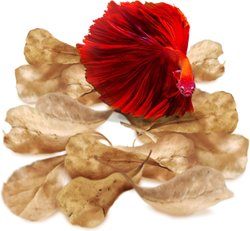
Buy dried. Commercial catappa leaves are already cured, meaning most of the tannin content is stable and ready to release, and they’ve been dried enough that mold and pest risk from a fresh-picked leaf isn’t a concern. If you have access to a real tree and want to use fresh leaves, let them fully brown and dry out first; a green leaf straight off the branch hasn’t broken down its cell walls yet and won’t tint water the same way.
Don’t boil the leaf you’re planning to drop in the tank. Boiling strips most of the tannins out in one shot, which defeats the point of a leaf that’s supposed to release them slowly over weeks. Boiling is the right move only when you want a separate concentrated “tea”: simmer a few leaves in a pot of water for 10 to 15 minutes, let it cool, and dose that liquid into the tank in small, measured amounts. That gives you precise control over how dark and how acidic the water gets, which whole leaves don’t.
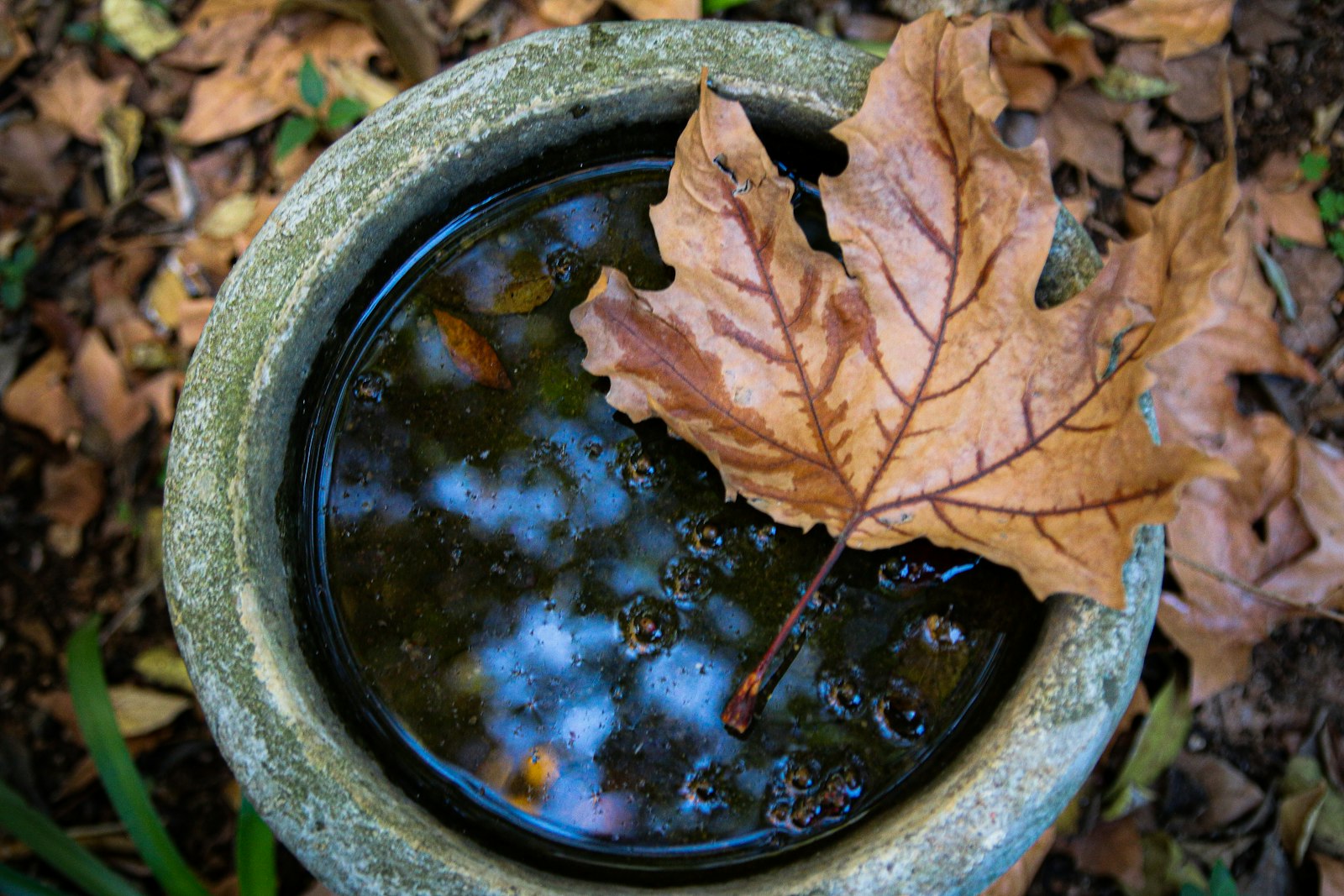
Rinse a dried leaf under tap water for a few seconds before adding it, just to knock off surface dust. It’ll float at first, then waterlog and sink within a day or two. Some keepers weigh the leaf down with a small rock or piece of driftwood to keep it fully submerged and out of the filter intake.
How long do almond leaves last in a tank?
Roughly four to six weeks before a whole leaf breaks down enough to look ragged and stop contributing much. You’ll see it: the leaf develops holes, thins out, and eventually turns to mush at the edges. Replace it once that happens, or once you notice the water color has faded and you want to keep the tint going. There’s no harm in leaving a spent leaf in the tank a while longer, aside from it looking untidy and contributing organic waste as it fully decomposes; if you’d rather not deal with leaf litter breaking down on the substrate, pull it out and swap in a fresh one on that same four-to-six-week rhythm.
Will they hurt my other fish or my filter?
Used at the doses above, no. The pH drop is gradual and mild in a normally stocked tank; the 625 ppm concentration that pulled pH down to 5.05 in the betta study above is a much heavier dose than a leaf or two in a 5- or 10-gallon tank will ever produce. Watch your parameters for the first week after adding a leaf if your source water is already soft and your tank is small, since soft water has less buffering capacity and can swing further per leaf than harder water will.
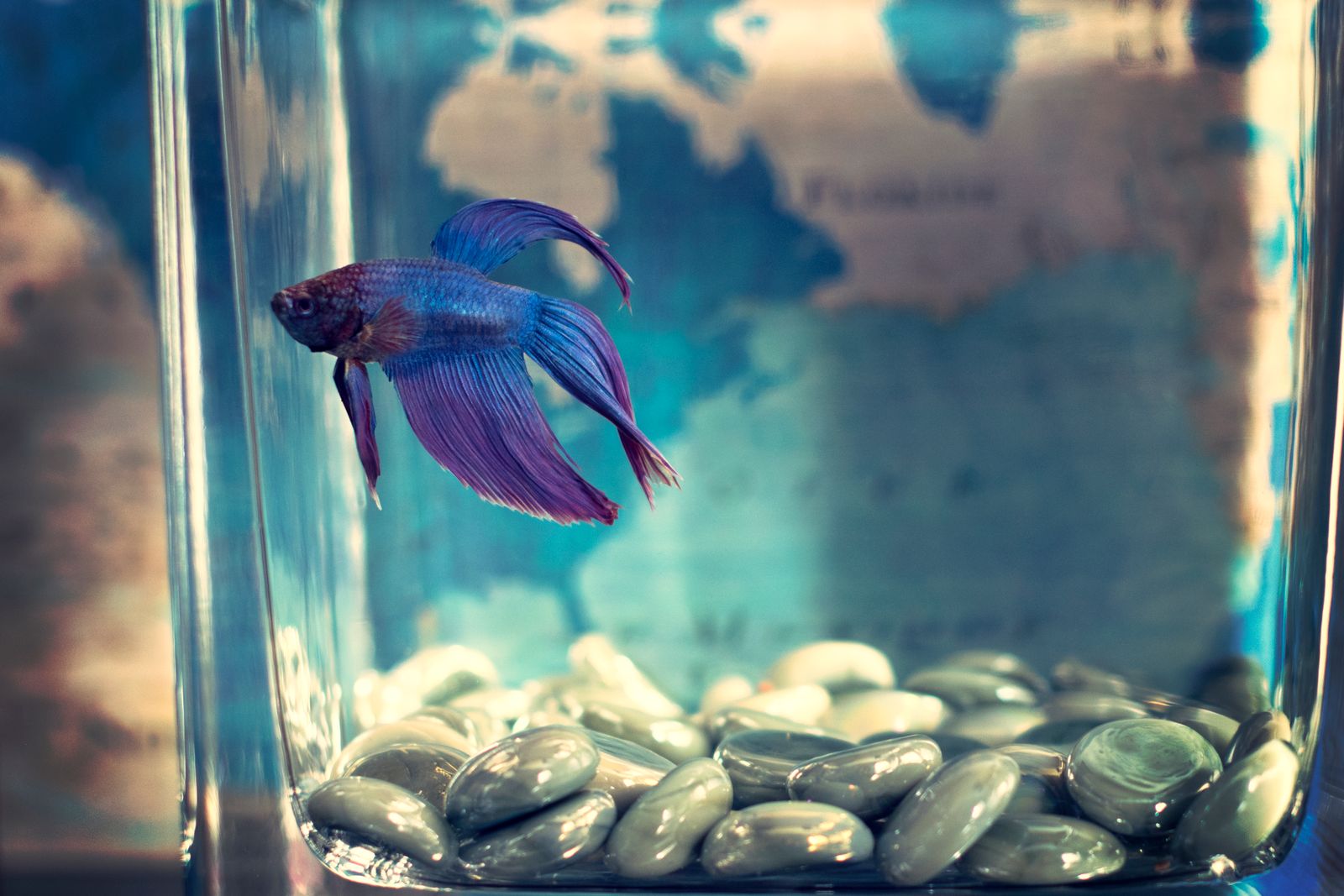
One practical conflict: activated carbon in your filter will pull the tannins back out of the water about as fast as the leaf releases them, which is fine if you just want the mild antibacterial and pH-softening effect without the color, but defeats the point if you’re trying to build a visibly tinted blackwater tank. Pull the carbon if you want the tint to stick. Neither choice affects the beneficial bacteria doing the actual work of the nitrogen cycle; tannins aren’t toxic to biofilter bacteria at aquarium concentrations.
Building the blackwater look on purpose
If the goal is aesthetic as much as functional, catappa leaves scale well alongside driftwood and dense planting, since both already release some tannins of their own as they age in the tank. A few leaves scattered across the substrate under driftwood look natural and keep contributing tannins as they slowly break down, which is a common setup for breeders who want darker, softer water for a spawning tank anyway.
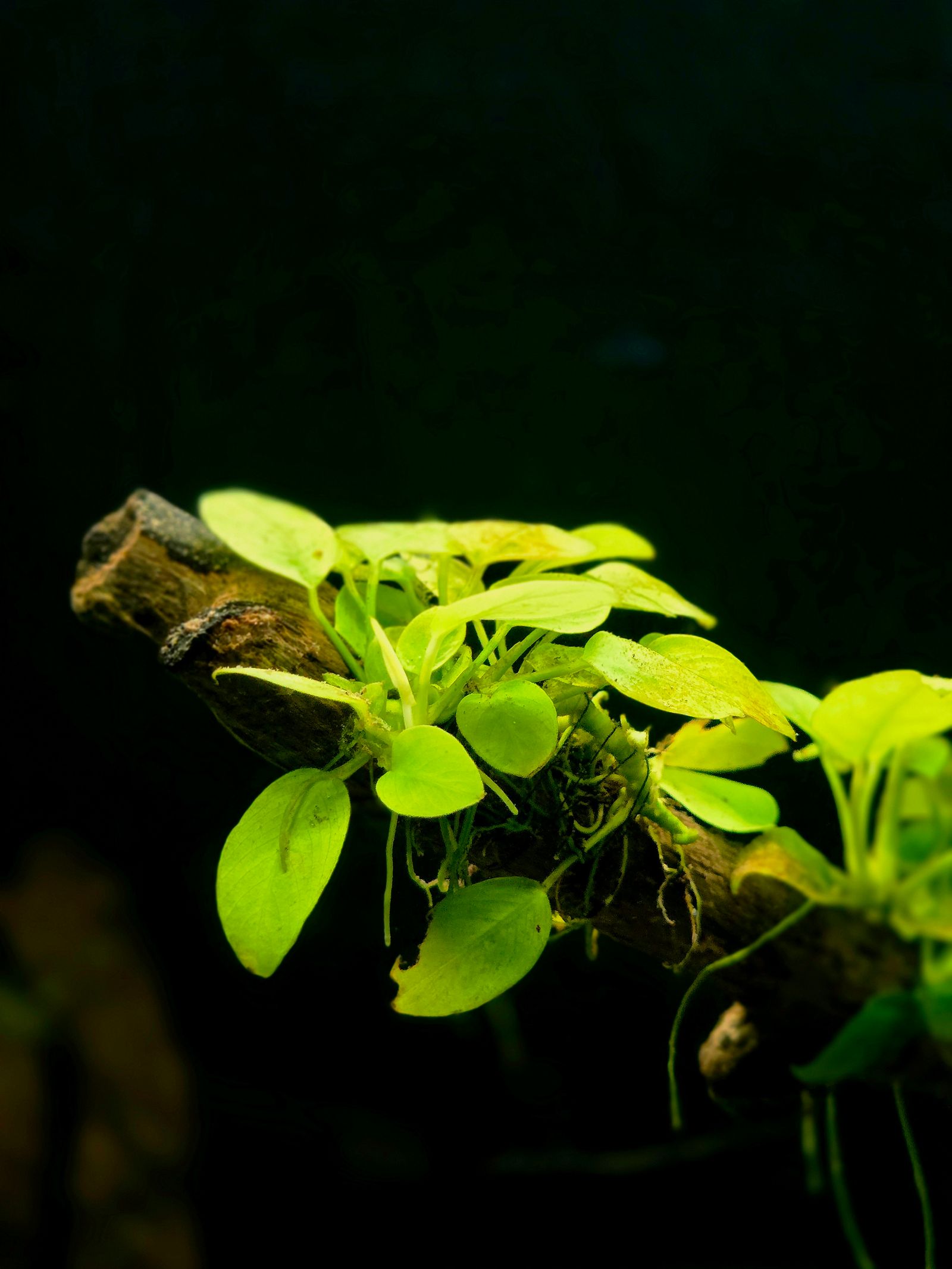
Don’t chase a specific pH number by dumping in leaves. Add one, wait a week, test, and adjust from there. Wild bettas tolerate a fairly wide pH range in the field, and captive-bred fish are more flexible still (Seriously Fish); the leaves are a gentle nudge toward a more natural environment, not a parameter you need to hit exactly.