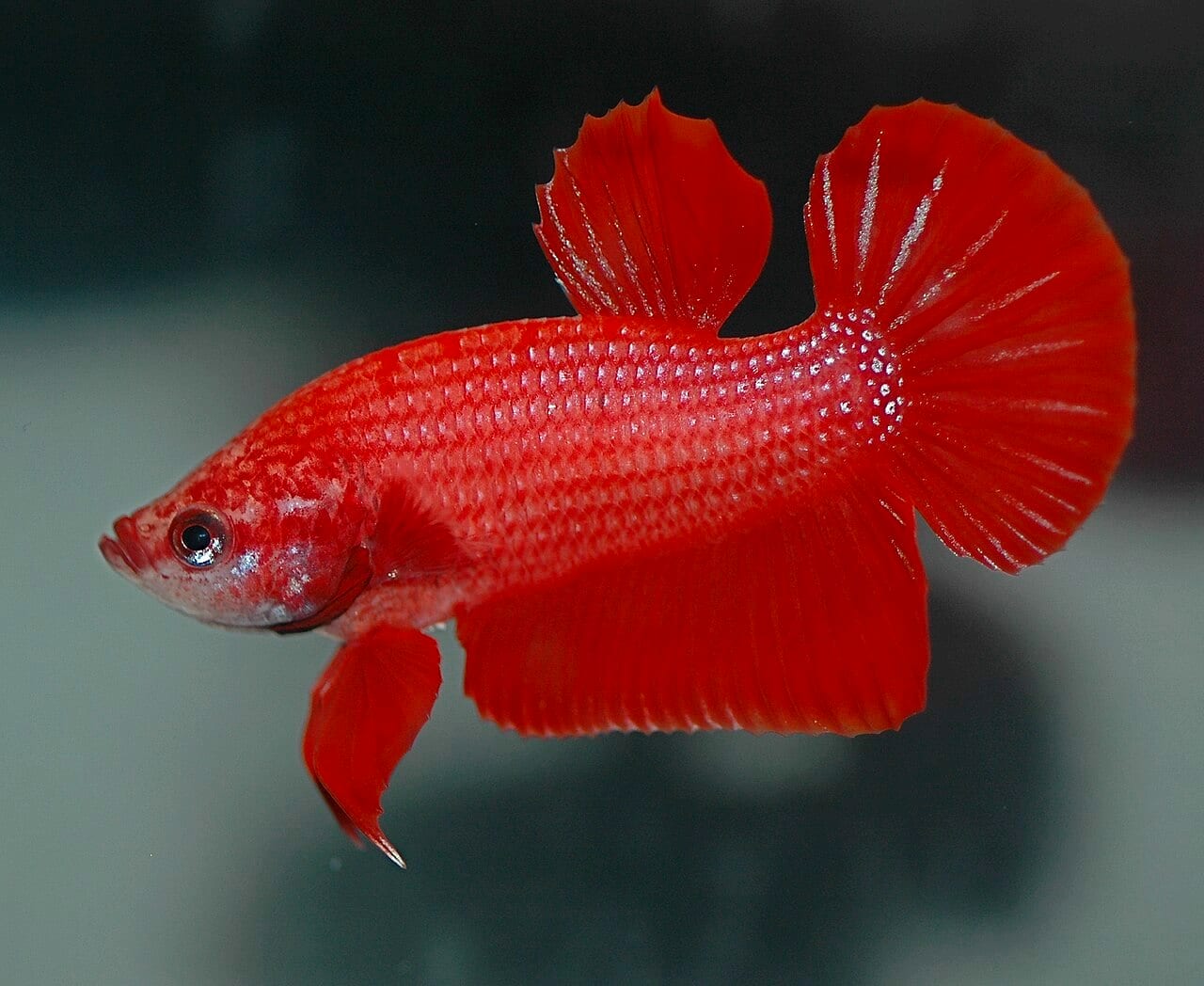
Betta splendens has one of the longest and best-documented domestication histories of any aquarium fish. The Thai plakat fighting tradition predates Western scientific knowledge of the species by at least 400 years. Theodore Cantor wrote it down first, in 1849, publishing the species as Macropodus pugnax from specimens collected on the Malay Peninsula. Charles Tate Regan renamed and re-described it as Betta splendens in 1910, this time working from specimens taken in Siam itself. Matte shipped it to Berlin in 1896; the IBC standardized its showing in 1967. Each date is a chapter in a story that starts in 14th-century Thai rice paddies, centuries before either scientist ever saw the fish.
This section covers the full documented history across three articles.
The Thai origin: plakat culture
Thai villagers selected fighting males from wild B. splendens populations in the Chao Phraya and Mekong basin rice paddies. The practice is traceable through oral tradition, regional literature references in Thai and Cambodian sources, and the clay jar fragments used to house fighting males individually. Scholars conservatively date organized selection to the 14th–15th century.
King Rama III (r. 1824–1851) imposed taxes on betta fighting, confirming that by the 19th century the practice was organized enough to generate taxable revenue. That royal patronage is also where the English name comes from: Thailand was called Siam until 1939, and it was Rama III’s formally taxed plakat culture that produced the selectively bred fighting lines behind every domesticated betta alive today, which is why the fish carries the name Siamese fighting fish rather than anything describing its color or fins. Hugh M. Smith, the American ichthyologist who served as Siam’s fisheries advisor in the 1920s, documented the plakat tradition in detail in his 1945 Smithsonian monograph, the foundational English-language source.
The plakat morh (fighting form) and plakat cheen (show form that derived from it) are the genetic backbone of everything that followed. See plakat culture for the complete account.

The broader 600-year arc from Rama III through the 2019 Thai national aquatic animal designation is covered in From Siam to Splendens.
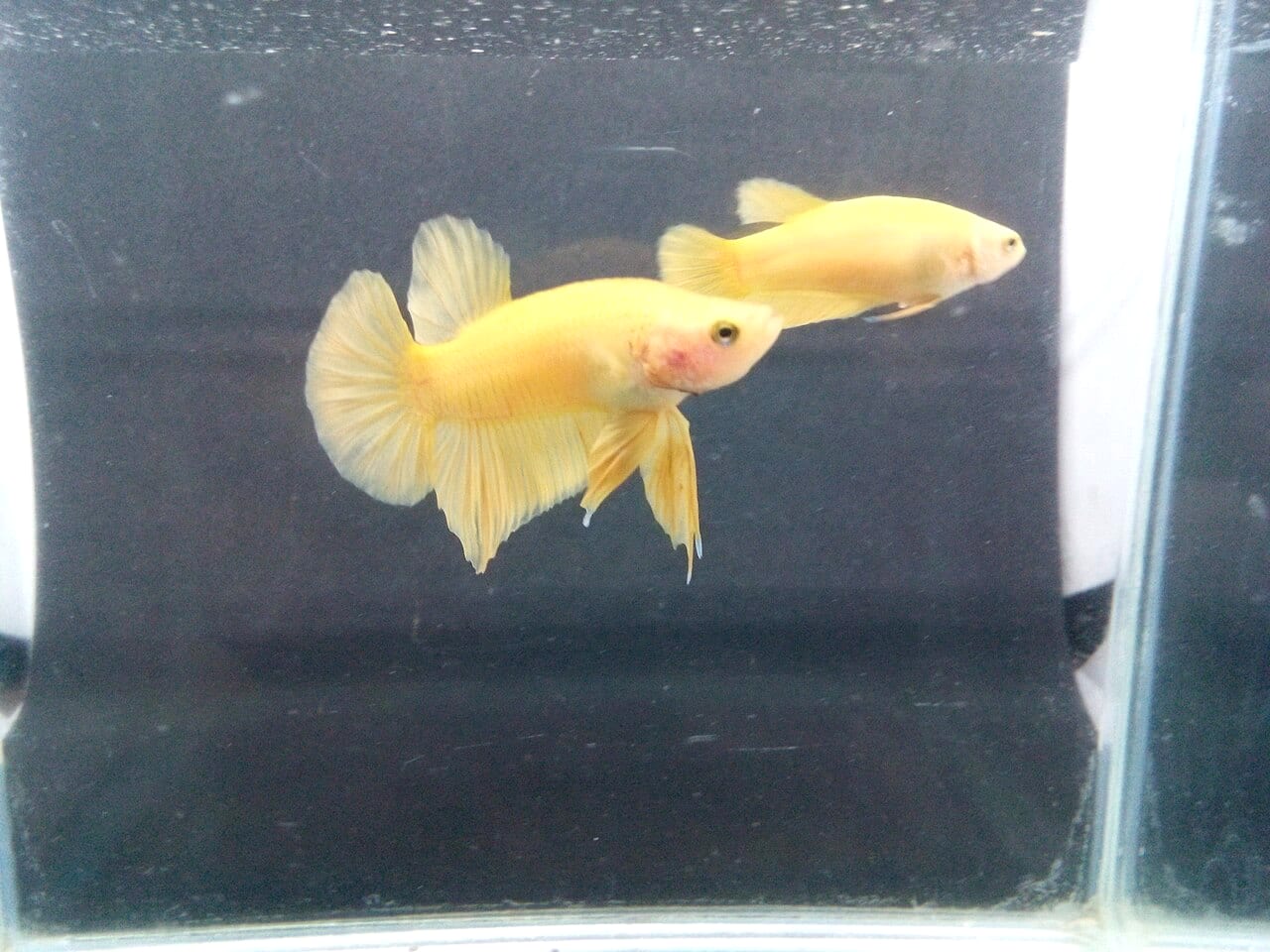
The Western chapter: 1896 to the halfmoon standard
Paul Matte of Berlin imported the first live bettas to Germany in 1896. By 1898 captive spawning was recorded in Europe. Frank Locke brought the species to the United States around 1910. The IBC was founded in 1967, establishing the formal show standards that would drive ornamental breeding for the next 60 years and remains the primary international governing body for competitive betta showing.
The halfmoon standard (the 180-degree caudal spread) was developed by California breeders in the early 1990s. Crowntail emerged from Indonesia in the late 1990s. The modern Thai commercial export industry developed most current fin forms in response to Western show circuit demand, completing a full circle: Thai fish exported to the West, transformed by Western breeding standards, re-imported as show-circuit ideals into Thai industry.
The full Western account is at Bettas in the West: From Berlin to the Halfmoon Standard.
The first Western import: Frankfurt 1892 to Berlin 1896
The first documented live bettas in Europe arrived in Germany in the early 1890s. The Frankfurt Aquarium Society received specimens around 1892, making them among the first Western observers to watch the species alive. Four years later, Paul Matte of Berlin acquired a breeding stock and in 1896 produced what hobbyist literature records as the first captive spawning in Europe. Matte exhibited the fish at the Berlin Aquarium and published accounts in German aquarium journals, establishing the species’ Western reputation as both a curiosity and a viable aquarium subject.
Word traveled fast in the tight-knit European aquarium society of the late 19th century. By 1900, French and British hobbyists were obtaining specimens. American interest followed within a decade. Frank Locke of San Francisco is the most frequently cited early US importer, with records placing his first bettas around 1910 (Seriously Fish). Specialty fish importers on both coasts expanded the hobby through the 1910s and 1920s. By mid-century, bettas were reliably available in American pet stores, and the veiltail form (the drooping, asymmetric caudal that sells at mass retail today) was already the dominant Western form. That mid-century presence was still a specialty-importer trade, though. The betta didn’t become a mass big-box pet store staple until Southeast Asian commercial farms scaled up export volume in the closing decades of the 20th century. The fish had traveled from Thai clay jars to American glass tanks in roughly 50 years, and from a specialty import to a supermarket-aisle commodity in about a century.
Primary sources
Primary sources used throughout: Cantor’s 1849 Catalogue, Regan’s 1910 Proceedings paper, Smith’s 1945 Smithsonian monograph, and IBC’s own historical records. Where primary sources conflict or are ambiguous, the text says so.
For deeper research: the Biodiversity Heritage Library has Cantor and early 20th-century aquarium journals digitized. The IBC archives document the Western show-breeding era. Thai academic work on plakat culture is published in Thai-language journals and partially synthesized in the 2022 genetic architecture paper (PubMed 36129976).
The historical strains documented on these pages, traditional plakat, Siamese fighting lines, early Western show fish, are still bred today. If you want to keep a fish with a traceable lineage rather than an anonymous farm import, see where to buy show bettas. Setting one up properly starts with the same basics as any betta: API test kit (affiliate), Seachem Prime (affiliate), proper tank setup.